What Is the Anti-Inflammatory Diet and Does It Actually Work?
Affiliate Disclosure: This article contains affiliate links. If you buy through our links, we may earn a small commission at no extra cost to you. We only recommend products we’d stand behind.
⚡ Quick Answer
The anti-inflammatory diet is a broad evidence-based eating pattern — centred on the Mediterranean diet — that emphasises foods shown to reduce chronic inflammation and limits foods that promote it. The diet does work: the PREDIMED trial, one of the largest dietary intervention studies ever conducted, showed a 30% reduction in major cardiovascular events in people following a Mediterranean-style anti-inflammatory diet. For women over 40, the anti-inflammatory diet is particularly relevant because declining oestrogen increases chronic inflammatory risk.
What the Anti-Inflammatory Diet Actually Is
The anti-inflammatory diet is not a branded protocol, a 30-day challenge, or a set of rigid rules with a specific macronutrient ratio. It is a dietary pattern — a consistent way of eating built around a large and rigorous body of research showing that certain foods reliably reduce the inflammatory markers associated with chronic disease, while others reliably amplify them.
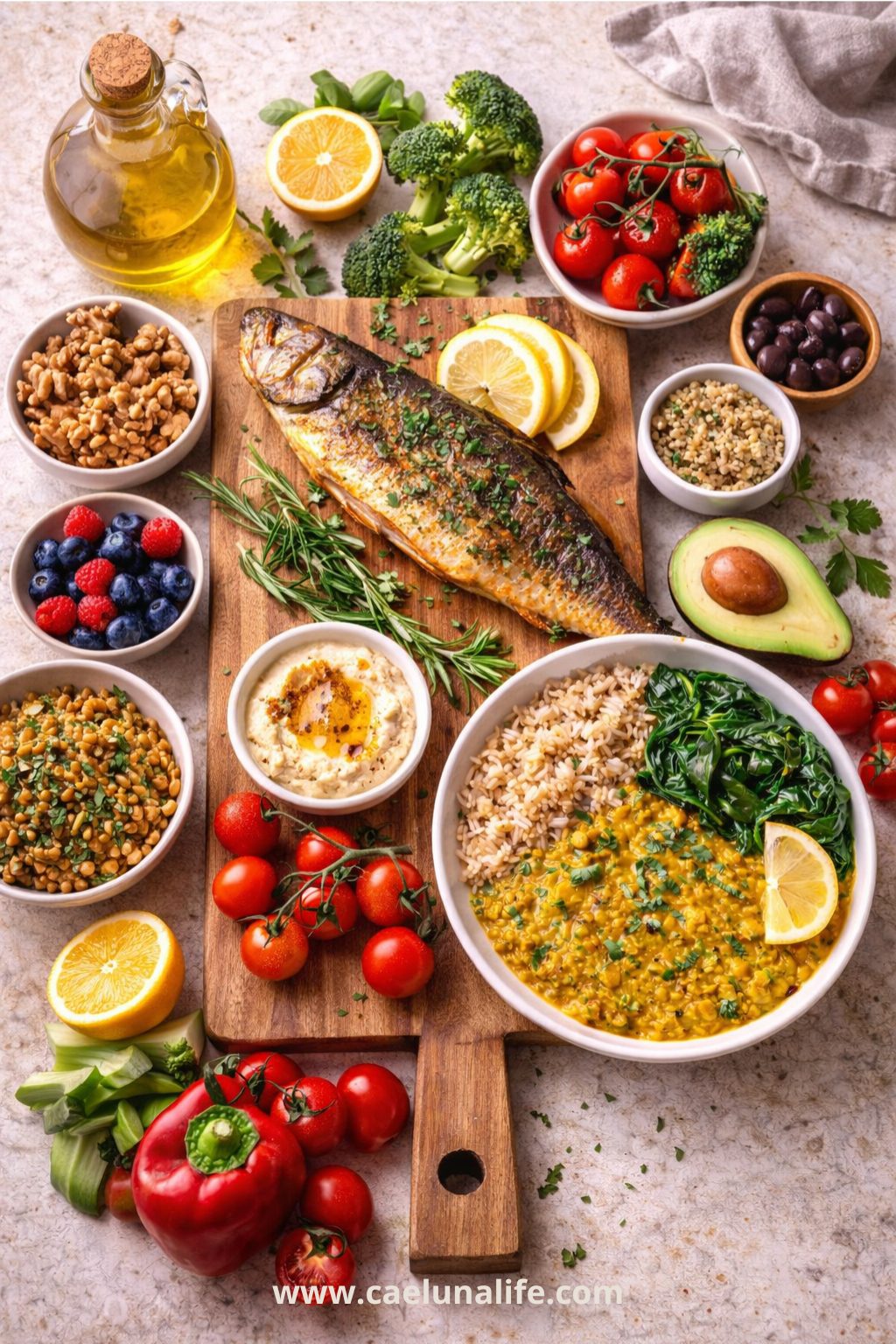
The diet draws most heavily from the Mediterranean dietary tradition, which is the most extensively studied eating pattern in human nutritional research. The Mediterranean diet shares its core architecture — olive oil as the primary fat, oily fish twice a week, abundant vegetables and legumes, whole grains, nuts, and berries — but the anti-inflammatory diet framework explicitly includes the biological mechanisms, making it applicable beyond Mediterranean geography and cuisine.
For women over 40, the diet is not simply about eating well in a general sense. It is about understanding that the hormonal changes of this decade — specifically declining oestrogen — remove a powerful natural anti-inflammatory shield, and that dietary choices can partially compensate for this loss. The anti-inflammatory diet is the most evidence-supported dietary strategy for doing so.
The Science Behind the Anti-Inflammatory Diet: What Research Shows
The PREDIMED Trial
The PREDIMED (Prevención con Dieta Mediterránea) trial is the landmark study underpinning the anti-inflammatory diet’s evidence base. It enrolled 7,447 participants at high cardiovascular risk and randomised them to a Mediterranean anti-inflammatory diet supplemented with extra-virgin olive oil, a Mediterranean anti-inflammatory diet supplemented with mixed nuts, or a low-fat control diet.
The results were so significant that the trial was stopped early on ethical grounds — participants following the anti-inflammatory diet experienced a 30% reduction in major cardiovascular events (heart attack, stroke, cardiovascular death) compared to the control group. The anti-inflammatory diet arms also showed significantly lower CRP, IL-6, and oxidative stress markers. This trial remains the strongest evidence that the diet produces real, measurable clinical benefit.
The MIND Diet
The MIND diet — a hybrid of the Mediterranean and DASH approaches that forms another version of the anti-inflammatory diet — is specifically associated with cognitive protection in ageing. A large prospective study found that women who most consistently followed the MIND anti-inflammatory diet had cognitive function equivalent to women 7.5 years younger in biological age. The neuroprotective effects are attributed primarily to its polyphenol content (berries, olive oil, leafy greens) and its omega-3 fatty acid component (oily fish).
The Anti-Inflammatory Diet and Metabolic Health
The diet consistently improves insulin sensitivity and reduces visceral fat — the metabolically active abdominal fat that is itself a significant source of pro-inflammatory cytokines. Research shows that women who follow an anti-inflammatory diet in midlife have better HbA1c levels, lower triglycerides, and more favourable body composition profiles than age-matched women eating a standard Western diet, independent of total calorie intake.
Inflammatory Markers
Multiple meta-analyses specifically measuring CRP, IL-6, and TNF-alpha — the primary biomarkers of systemic inflammation — show significant reductions in people following the anti-inflammatory diet compared to control diets. A 2020 meta-analysis of 17 randomised controlled trials found the anti-inflammatory diet reduced CRP by an average of 1.1 mg/L and IL-6 by 0.44 pg/mL — clinically meaningful reductions that translate to real risk reduction.
What the Anti-Inflammatory Diet Includes
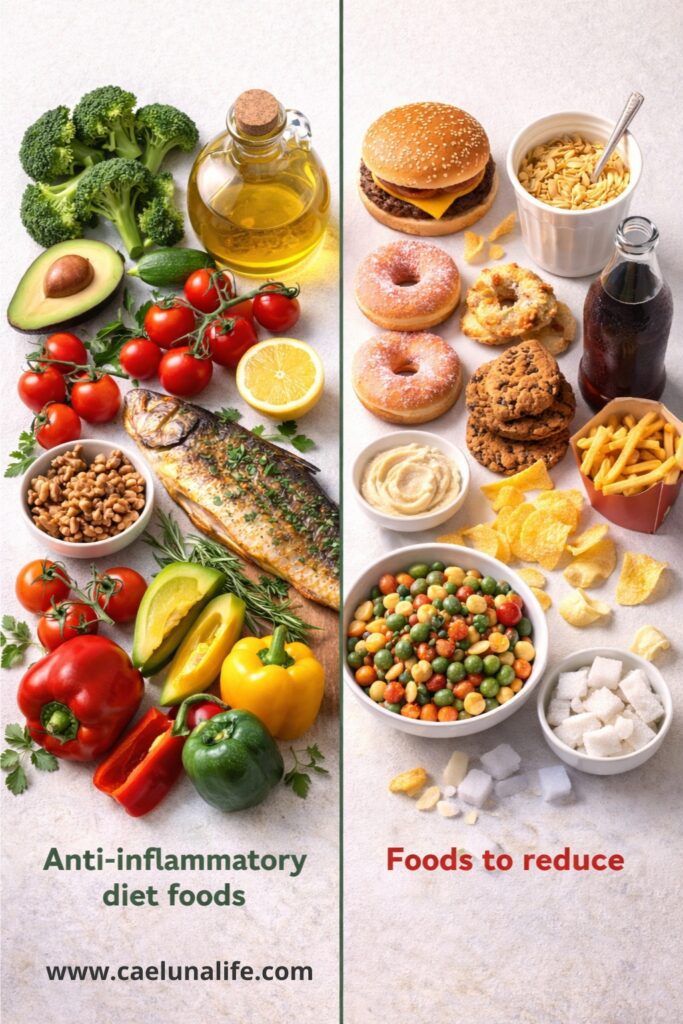
Foods at the Centre
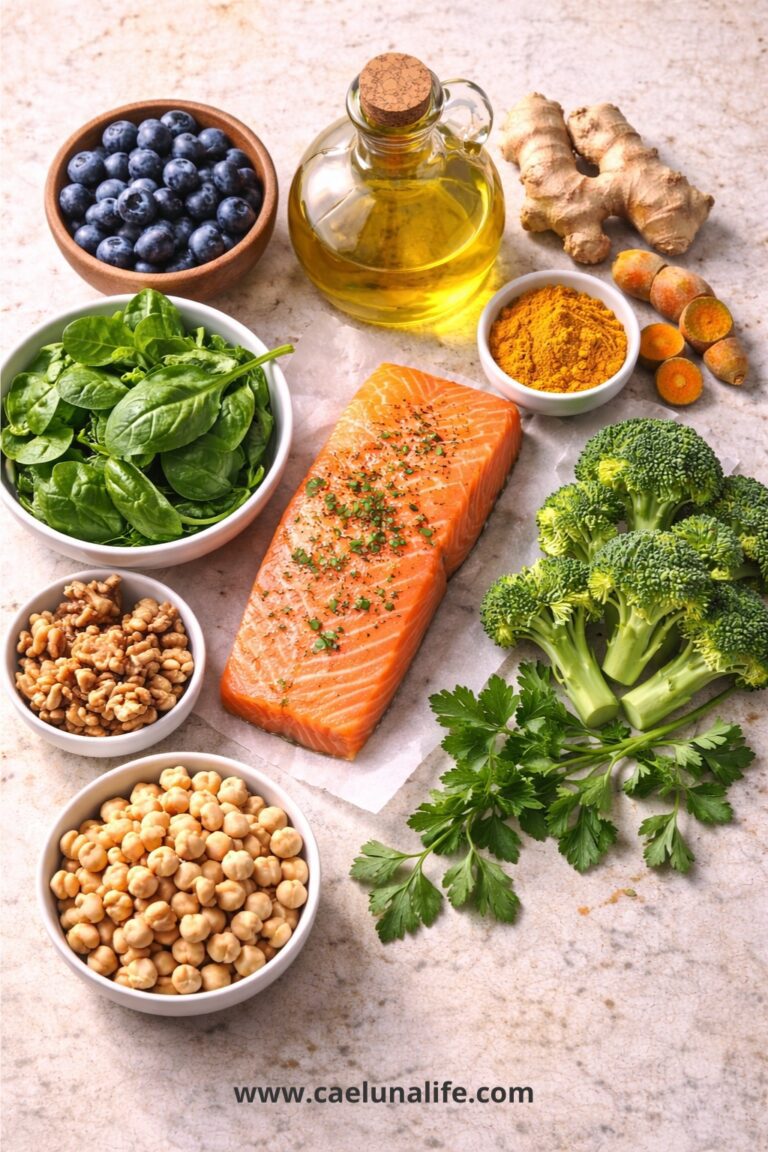
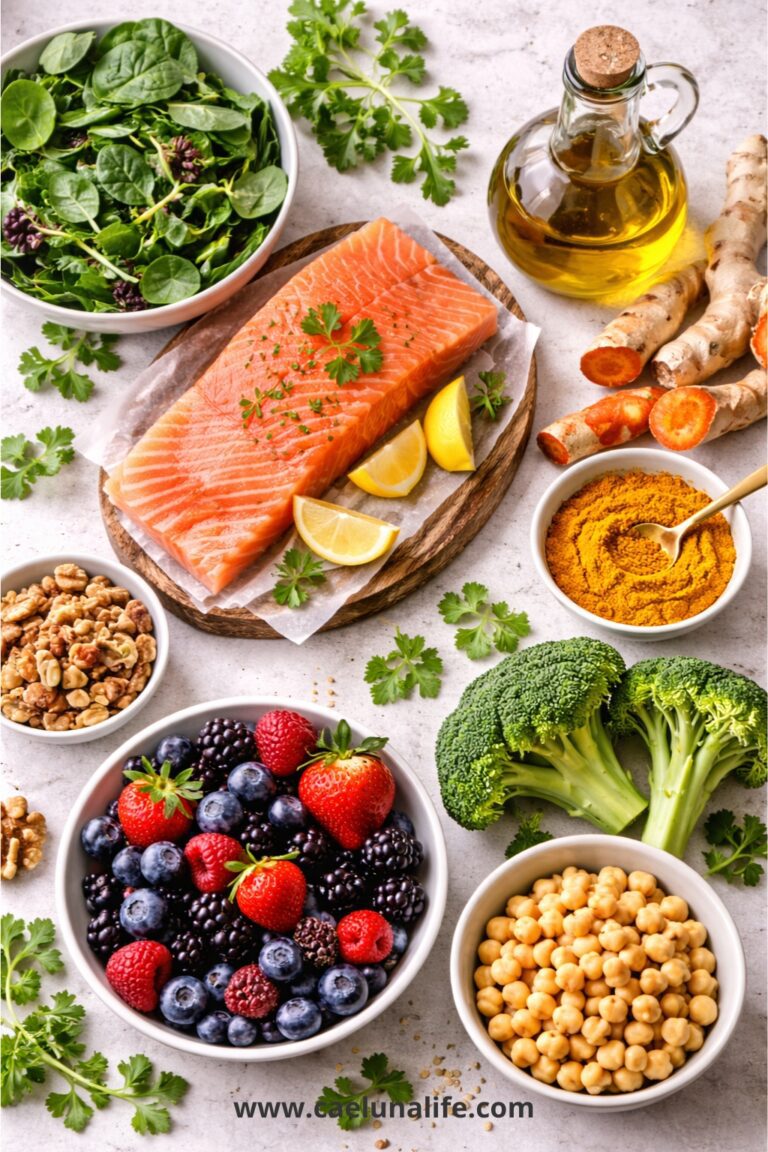
The diet is built around foods with the most consistent evidence for reducing systemic inflammation through the three primary pathways — omega-3 fatty acids, polyphenols, and prebiotic fibre:
- Oily fish (salmon, mackerel, sardines, herring): EPA and DHA omega-3s — the highest-priority protein source
- Extra-virgin olive oil: oleocanthal, oleuropein, and oleic acid — primary cooking and dressing fat
- Leafy greens (spinach, kale, rocket, watercress): vitamin K, folate, magnesium, diverse polyphenols — vegetables to eat daily
- Berries (blueberries, raspberries, cherries, strawberries): anthocyanins and ellagic acid — highest-polyphenol fruit sources
- Turmeric + black pepper: curcumin with piperine — most pharmacologically active spice combination
- Ginger: 6-gingerol and 6-shogaol — compounds with COX-2 inhibiting properties
- Legumes (lentils, chickpeas, black beans): fibre, resistant starch, plant protein — most important gut health foods
- Whole grains (oats, quinoa, farro, brown rice): beta-glucan, diverse phytochemicals — carbohydrate base
- Walnuts, almonds, and seeds: ALA omega-3s, ellagitannins, vitamin E — nuts to include daily
- Green tea and herbal teas: EGCG and other polyphenols — beverages to replace sugary drinks
- Fermented foods (Greek yoghurt, kefir, miso, kimchi): live bacteria that support gut microbiome goals
Foods Limits or Avoids
The diet produces its effects both by increasing anti-inflammatory foods and by reducing pro-inflammatory ones. The foods most consistently associated with elevated inflammatory markers are:
- Ultra-processed foods: additives, emulsifiers, and refined starches activate NF-κB and disrupt the gut microbiome — the primary exclusion category
- Added sugar and high-fructose corn syrup: directly increases AGE (advanced glycation end products) formation and raises CRP
- Refined vegetable oils in excess: corn, soybean, and sunflower oils tip the omega-6:omega-3 ratio toward inflammation — use olive oil instead
- Processed and cured meats: linked to elevated CRP and IL-6 in multiple large cohort studies — the diet treats these as occasional foods at most
- Alcohol: increases intestinal permeability (‘leaky gut’) and disrupts the gut microbiome — the diet recommends significant reduction or elimination
A Daily Template
Breakfast
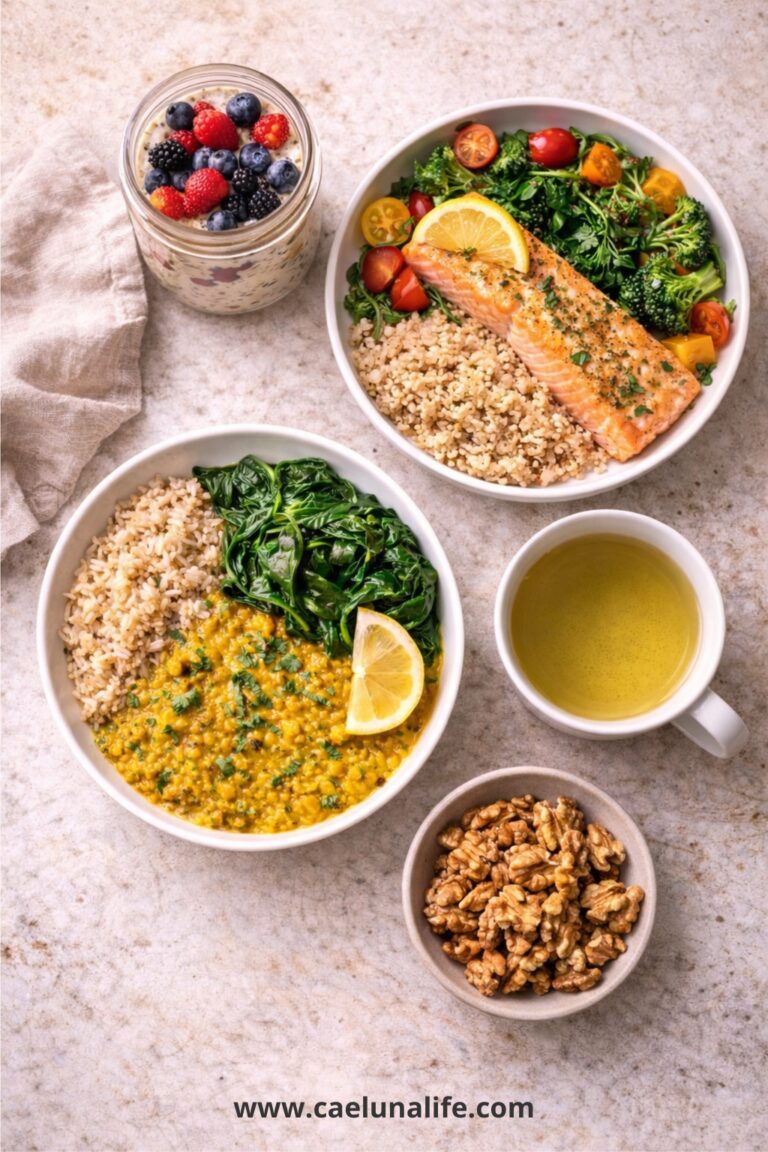
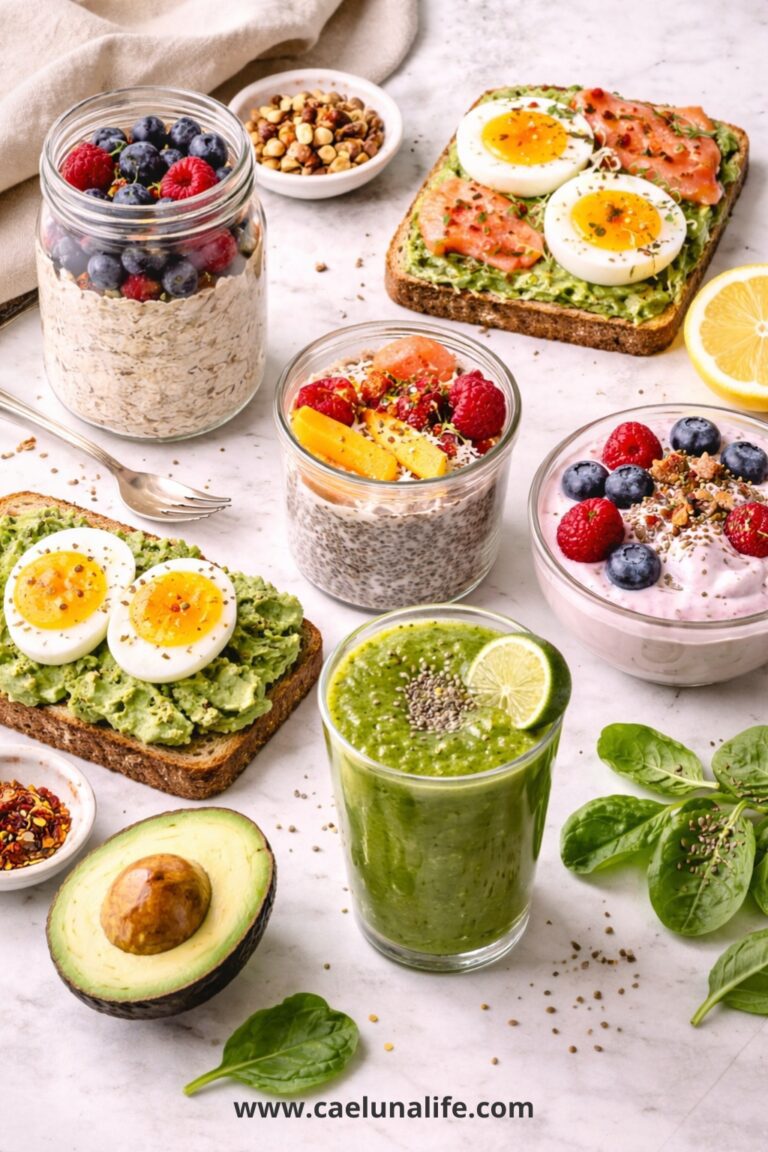
A strong breakfast combines protein (for satiety and muscle support), omega-3s or polyphenols (for the anti-inflammatory diet mechanism), and fibre (for blood sugar stability and gut health). The most practical breakfast: overnight oats with Greek yoghurt, frozen blueberries, ground flaxseed, and walnuts — prepared the night before for zero morning effort.
Alternative breakfasts: scrambled eggs with spinach and turmeric on rye toast; a green smoothie with Greek yoghurt, frozen spinach, blueberries, and flaxseed; smoked salmon with avocado on sourdough. Each of these breakfasts covers at least two of the three inflammatory pathway mechanisms.
Lunch
Lunch is the ideal meal for oily fish. A grain bowl with tinned sardines or roasted salmon, leafy greens, chickpeas, and olive oil dressing covers omega-3s (fish), polyphenols (greens and olive oil), and fibre (chickpeas and vegetables) in one anti-inflammatory diet meal. If fish is not at lunch, prioritise it at dinner to maintain the twice-weekly anti-inflammatory diet target.
Dinner
The dinner template: a palm-sized protein (fish, legumes, or chicken — not processed meat), two or more varieties of vegetables cooked in olive oil, and a smaller portion of whole-grain carbohydrate. Turmeric and ginger used freely as seasonings. Mediterranean-inspired dishes — fish with roasted vegetables and olive oil, lentil dal, chickpea stew — naturally embody the anti-inflammatory diet pattern.
Batch-cooking on Sunday makes the diet effortless during the week. A large pot of lentil soup, a tray of roasted salmon, and a batch of quinoa covers four to five anti-inflammatory diet dinners with minimal weeknight effort.
🛒 Recommended: The Anti-Inflammatory Diet Meal Prep by Ginger Hultin RDN — The most practically structured cookbook for implementing the anti-inflammatory diet — 28-day plan with batch-cooking system
Snacks
A handful of walnuts with berries (omega-3s + anthocyanins), green tea (EGCG polyphenols), a small portion of dark chocolate 70%+ (cocoa flavanols), full-fat Greek yoghurt (protein + probiotics), or hummus with vegetable sticks (plant protein + fibre). These snacks require no preparation and deliver consistent polyphenol and omega-3 exposure between meals.
Common Misunderstandings About the Anti-Inflammatory Diet
‘Too Restrictive’
The anti-inflammatory diet is one of the most abundant, satisfying, and varied dietary patterns available. It is built around whole, flavourful foods — salmon, avocado, olive oil, berries, nuts, lentils, fresh vegetables, dark chocolate, and green tea. The anti-inflammatory diet does not require counting calories, eliminating entire food groups, or measuring portion sizes. The restrictive perception comes from comparing it to an ultra-processed food-heavy diet — not from any genuine food limitation.
‘Requires Expensive Food’
The most impactful foods in the anti-inflammatory diet are among the most affordable available: tinned sardines, lentils, oats, frozen berries, tinned tomatoes, olive oil (a litre provides weeks of cooking), and seasonal vegetables. The anti-inflammatory diet becomes expensive only if you choose premium options of every ingredient — which is entirely unnecessary. A week of anti-inflammatory diet eating can cost significantly less than a week of processed food.
‘You Need to Avoid All Carbohydrates’
This conflates the anti-inflammatory diet with low-carbohydrate diets, which are distinct. The anti-inflammatory diet does not restrict carbohydrates — it distinguishes between whole-food carbohydrates (oats, quinoa, sweet potato, legumes) that are core to the anti-inflammatory diet, and refined carbohydrates (white bread, pastries, sugary drinks) that undermine it. The fibre in whole-grain carbohydrates is a key anti-inflammatory diet mechanism.
‘Supplements Can Replace the Anti-Inflammatory Diet’
Isolated supplements — curcumin capsules, omega-3 supplements, green tea extract — have a role as dietary insurance, but they cannot replicate the full biological effect of whole foods. Whole foods provide the complete matrix of compounds, cofactors, fibre, and food structures that determine how compounds are absorbed and used by the body. The diet works because of the combination and synergy of foods, not because of individual nutrients.
Tracking Your Progress
The most objective way to assess the effects is through blood markers. A CRP (C-reactive protein) test is available through most GPs and can be requested alongside routine blood work. A baseline test before starting the diet, followed by a repeat at 3 months, gives a clear picture of whether the diet is working for your individual biology.
Target CRP on the diet: below 1 mg/L indicates low inflammatory risk; 1–3 mg/L is moderate risk where the diet produces the most benefit; above 3 mg/L indicates elevated inflammation where the anti-inflammatory diet should be a priority alongside medical evaluation.
Subjective markers that suggest the diet is working: improved morning joint mobility, more sustained energy (fewer energy crashes), better sleep quality, improved digestive regularity, and reduced frequency of minor illness. These subjective changes often precede measurable changes in blood markers.
Other Lifestyle Factors
The anti-inflammatory diet is the most powerful dietary tool for managing chronic inflammation, but it works synergistically with — and cannot fully compensate for — other lifestyle factors:
- Sleep: poor sleep (under 7 hours consistently) drives CRP and IL-6 up significantly — the diet’s benefits are substantially blunted by chronic sleep deprivation
- Movement: regular moderate exercise independently reduces inflammatory markers. The diet and exercise together produce substantially greater anti-inflammatory effects than either alone
- Stress management: chronic psychological stress elevates cortisol, which suppresses the immune system acutely but drives systemic inflammation chronically — the diet addresses only the dietary component of this
- Not smoking: smoking is one of the strongest pro-inflammatory lifestyle factors; the diet cannot compensate for smoking-driven inflammation
Key Tips for Following the Anti-Inflammatory Diet
- Start with the single highest-impact change: switching your primary cooking fat to extra-virgin olive oil — this produces measurable results within weeks
- Add oily fish before supplements — whole food EPA and DHA are more effective and better tolerated
- Use meal prep to make the diet automatic — batch-cooking Sunday means you do not have to make the right choice at 7pm when willpower is lowest
- Apply the diet gradually — one change per week for four weeks produces more sustained results than an immediate complete overhaul
- Track CRP at baseline and at 3 months — objective data makes the diet’s effects visible and motivating
Frequently Asked Questions About the Anti-Inflammatory Diet
Is the anti-inflammatory diet the same as the Mediterranean diet?
The Mediterranean diet is the most researched and formalised version of the anti-inflammatory diet, and they are largely interchangeable in practice. The anti-inflammatory diet framework is broader — it explicitly incorporates the biological mechanisms and can include food traditions from Japan, Nordic countries, and other regions that share the same diet principles (whole foods, oily fish, vegetables, plant proteins). But if you are following a traditional Mediterranean diet closely, you are following the anti-inflammatory diet.
How long does the anti-inflammatory diet take to produce results?
Subjective improvements from the anti-inflammatory diet — reduced joint stiffness, better energy, improved digestion — are often reported within 2–4 weeks. CRP blood marker improvements typically appear at 8–12 weeks of consistent diet adherence. Long-term benefits — cardiovascular risk reduction, cognitive protection — accrue over years of sustained anti-inflammatory diet eating.
Can this diet be plant-based?
Yes. A plant-based anti-inflammatory diet is well-supported by research. Replace the fish component of the diet with walnuts and flaxseed for ALA omega-3s, and consider an algae-based DHA/EPA supplement to provide the long-chain omega-3s the anti-inflammatory diet relies on from fish. The fibre, polyphenol, and legume components are naturally abundant in plant-based eating.
Does the anti-inflammatory diet help with autoimmune conditions?
The diet is not a treatment for autoimmune conditions and should not replace medical management. However, multiple autoimmune conditions — rheumatoid arthritis, lupus, inflammatory bowel disease — have shown improvements in symptom severity and inflammatory markers with consistent diet adherence in observational research. Discuss dietary changes with your rheumatologist or gastroenterologist.
Is alcohol ever compatible with the anti-inflammatory diet?
The research does not support a safe daily alcohol intake for women over 40. Even moderate consumption increases intestinal permeability, disrupts the gut microbiome, affects oestrogen metabolism, and raises inflammatory markers. The occasional glass of red wine — which does contain resveratrol, a polyphenol with some anti-inflammatory properties — does not significantly undermine an otherwise consistent anti-inflammatory diet, but no level of alcohol is genuinely recommended within the diet framework.
Related Articles
These guides connect directly with what you have just read:
- Best Anti-Inflammatory Foods to Add to Your Diet After 40 — The specific foods at the centre of the anti-inflammatory diet — ranked and explained in detail.
- The Complete Anti-Inflammatory Eating Guide for Women Over 40 — A full structured guide to implementing the anti-inflammatory diet at every meal.
- 30 Anti-Inflammatory Breakfast Ideas That Actually Keep You Full — Practical anti-inflammatory diet breakfasts for every day of the month.
- 7 Anti-Inflammatory Meal Prep Recipes to Make Every Sunday — Batch-cook your anti-inflammatory diet meals for the whole week in one session.
- How to Eat Healthy After 40 — What Actually Changes and Why — The full picture of midlife nutrition that the anti-inflammatory diet is part of.