Best Anti-Inflammatory Foods to Add to Your Diet After 40
Affiliate Disclosure: This article contains affiliate links. If you buy through our links, we may earn a small commission at no extra cost to you. We only recommend products we’d stand behind.
⚡ Quick Answer
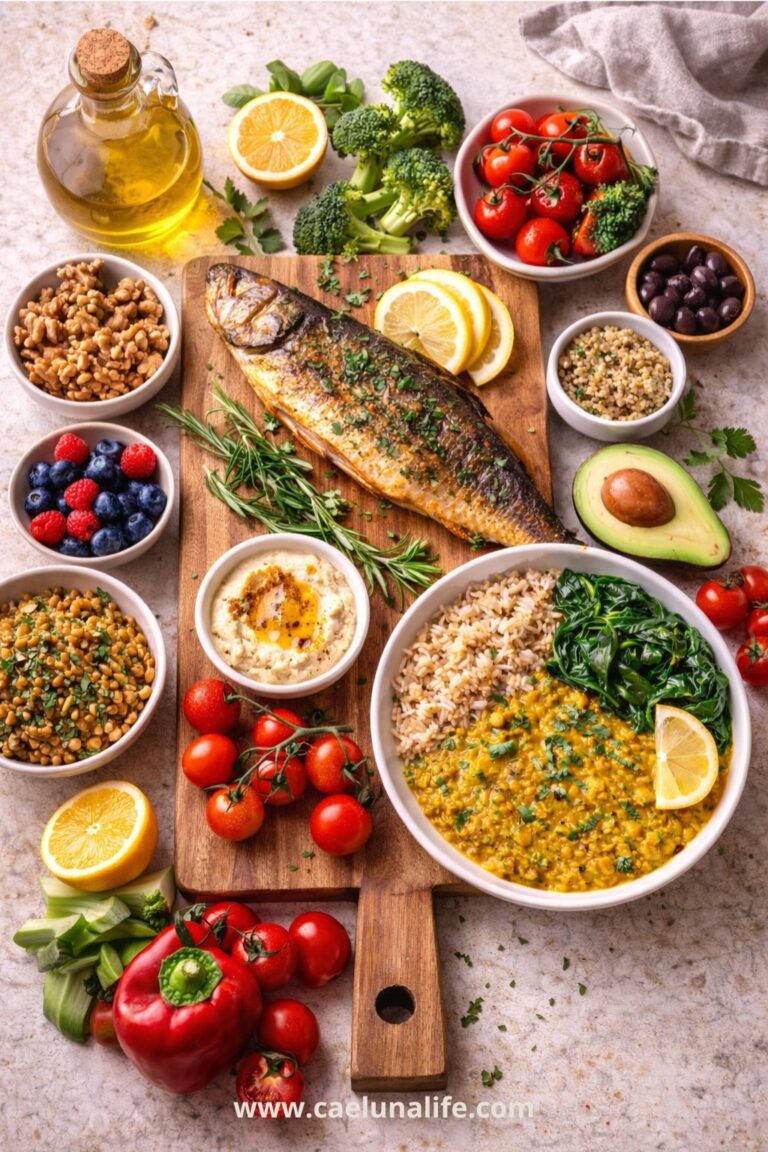
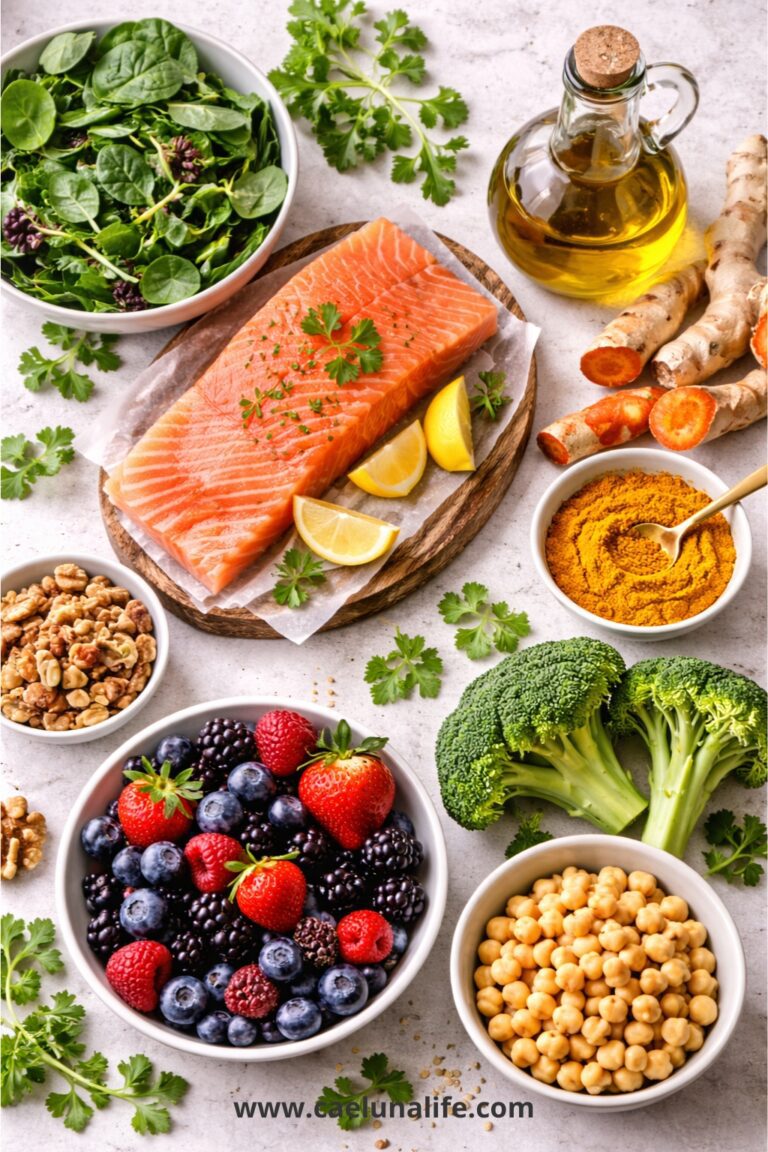
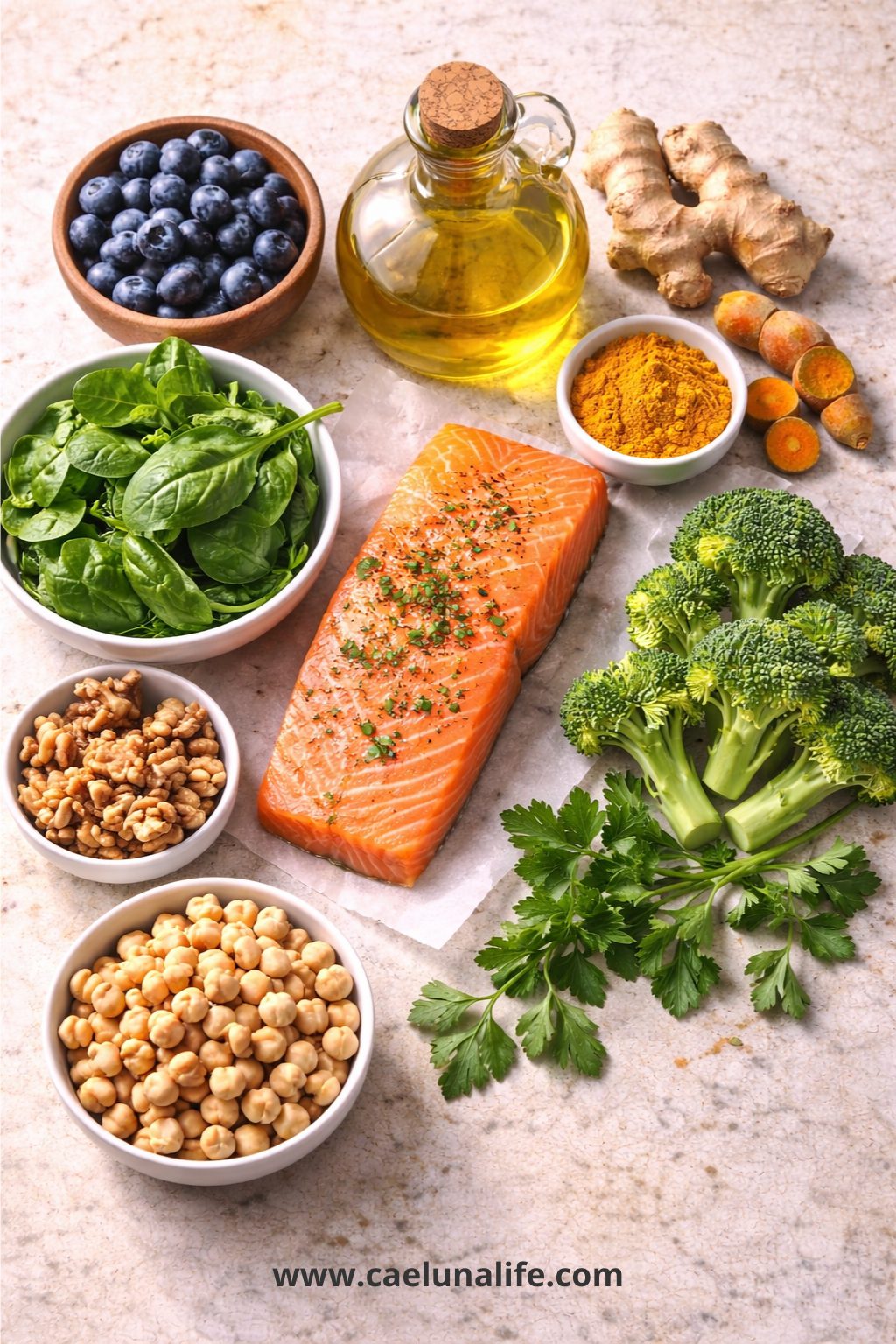
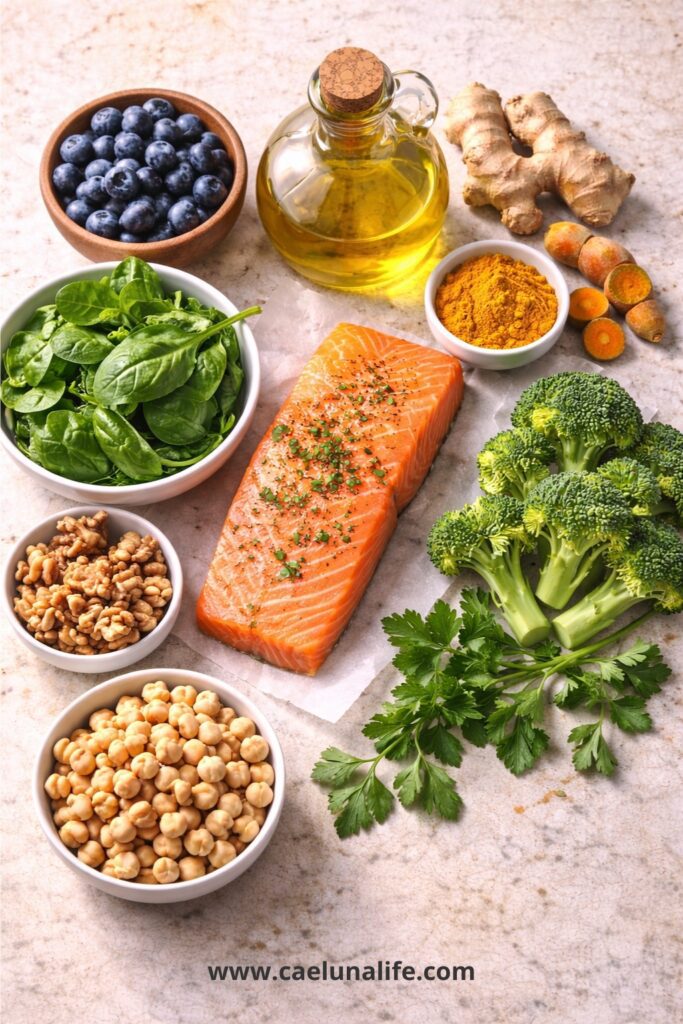
The best anti-inflammatory foods to prioritise after 40 are: fatty fish (salmon, mackerel, sardines), extra-virgin olive oil, leafy greens, berries, turmeric with black pepper, ginger, walnuts, legumes, cruciferous vegetables, green tea, dark chocolate, and tomatoes. Each of these anti-inflammatory foods works through a distinct biological mechanism — from suppressing cytokines to feeding anti-inflammatory gut bacteria — and together they form the most evidence-backed dietary framework for reducing chronic inflammation in midlife women.
Why Anti-Inflammatory Foods Become Critical After 40
Anti-inflammatory foods are not a trend or a wellness buzzword. They are a well-researched dietary strategy for managing one of the most significant biological shifts in a woman’s life — the gradual decline of oestrogen that begins in the late thirties and accelerates through perimenopause and menopause.
Oestrogen has natural anti-inflammatory properties. It suppresses NF-κB (the master regulator of the inflammatory response), modulates the production of pro-inflammatory cytokines including IL-6 and TNF-alpha, and supports the gut microbiome diversity that underpins systemic immune regulation. When oestrogen levels decline, these protective effects diminish — and chronic low-grade inflammation, which had been kept in check, can begin to take hold.
The consequences of chronic inflammation are not abstract. Research consistently links elevated inflammatory markers in midlife women to increased cardiovascular risk, accelerated cognitive decline, worsening joint mobility, metabolic changes including insulin resistance, and amplified perimenopausal symptoms including joint pain, fatigue, and poor sleep. Anti-inflammatory foods directly address these mechanisms through diet, making them one of the most practical tools available.
This guide covers the twelve most evidence-supported anti-inflammatory foods in detail — not just what they are, but how they work, how much you need, and how to make them a realistic part of daily eating.
Understanding How Anti-Inflammatory Foods Work
Anti-inflammatory foods reduce chronic inflammation through three primary biological pathways:
- Omega-3 fatty acids — EPA and DHA found in oily fish, and ALA found in flaxseed and walnuts, directly suppress the production of pro-inflammatory eicosanoids (prostaglandins and leukotrienes) and inhibit NF-κB signalling. This is the most direct and well-documented anti-inflammatory food mechanism available through diet.
- Polyphenols — found in berries, olive oil, dark chocolate, green tea, and colourful vegetables. Polyphenols neutralise free radicals that drive oxidative stress, and directly modulate inflammatory signalling pathways including Nrf2 and NF-κB. Different colours provide different polyphenol families — eating varied anti-inflammatory foods provides the broadest protection.
- Prebiotic fibre — found in legumes, vegetables, and whole grains. Fibre feeds beneficial gut bacteria that produce short-chain fatty acids (SCFAs) — particularly butyrate, propionate, and acetate — which have direct anti-inflammatory effects on the gut lining and throughout the body via the gut-immune axis.
Understanding these three pathways helps you evaluate any food for its anti-inflammatory potential and build meals that hit all three mechanisms simultaneously. The most effective anti-inflammatory foods address at least one of these pathways directly and measurably.
The 12 Best Anti-Inflammatory Foods After 40
1. Fatty Fish — The Highest-Impact Anti-Inflammatory Food
Salmon, mackerel, sardines, herring, and anchovies are the most potent anti-inflammatory foods available through ordinary eating. They provide EPA (eicosapentaenoic acid) and DHA (docosahexaenoic acid) — long-chain omega-3 fatty acids that are metabolised into specialised pro-resolving mediators (SPMs) including resolvins and protectins, which actively resolve inflammatory processes rather than merely suppressing them.
The clinical evidence base for oily fish as anti-inflammatory foods is extensive. Multiple randomised controlled trials show that regular oily fish consumption significantly reduces CRP, IL-6, and TNF-alpha — the primary inflammatory markers measured in clinical settings. One large meta-analysis found that 2+ servings of oily fish per week reduced CRP by an average of 20–35% over 8–12 weeks.
Target: two to three portions of oily fish per week as a minimum. Fresh salmon, mackerel, and sardines are most bioavailable, but tinned sardines and mackerel in olive oil are nutritionally equivalent and dramatically cheaper. Wild-caught salmon provides a slightly better omega-6:omega-3 ratio than farmed, though both qualify as effective anti-inflammatory foods.
For women who follow plant-based diets, algae-based DHA and EPA supplements provide the same long-chain omega-3s without fish. Flaxseed and walnuts provide ALA, which converts to EPA and DHA at low efficiency — useful, but not equivalent to direct marine omega-3 sources for anti-inflammatory food purposes.
🛒 Recommended: Wild Caught Tinned Sardines in Olive Oil (multi-pack) — Budget-friendly, high-EPA anti-inflammatory food — ready to eat, no preparation needed
🛒 Recommended: High-Strength Omega-3 Fish Oil EPA + DHA 1000mg — For days when oily fish is not possible — supports the anti-inflammatory foods framework as a supplement
2. Extra-Virgin Olive Oil
Extra-virgin olive oil (EVOO) is the fat most consistently associated with the anti-inflammatory benefits of the Mediterranean diet. It contains three distinct anti-inflammatory food compounds: oleic acid (a monounsaturated fatty acid that reduces IL-6 and CRP), oleuropein (a polyphenol that suppresses NF-κB), and oleocanthal — the compound responsible for the distinctive peppery sensation in the throat when swallowing high-quality EVOO.
Oleocanthal is pharmacologically remarkable among anti-inflammatory food compounds. It inhibits COX-1 and COX-2 enzymes — the same molecular targets as ibuprofen — at concentrations achievable through normal dietary intake. The PREDIMED trial, one of the largest dietary intervention studies ever conducted, found that a Mediterranean diet supplemented with extra-virgin olive oil reduced major cardiovascular events by 30% compared to a low-fat control diet.
Use EVOO generously as your primary cooking fat — this is not a drizzle-sparingly food but a foundational anti-inflammatory food to use at every meal. A realistic daily target is 2–4 tablespoons. Quality matters: look for ‘extra-virgin’ (not ‘pure’ or ‘light’), cold-pressed, and preferably with a harvest date within the last 18 months. The polyphenol content degrades with time and heat exposure.
3. Leafy Greens
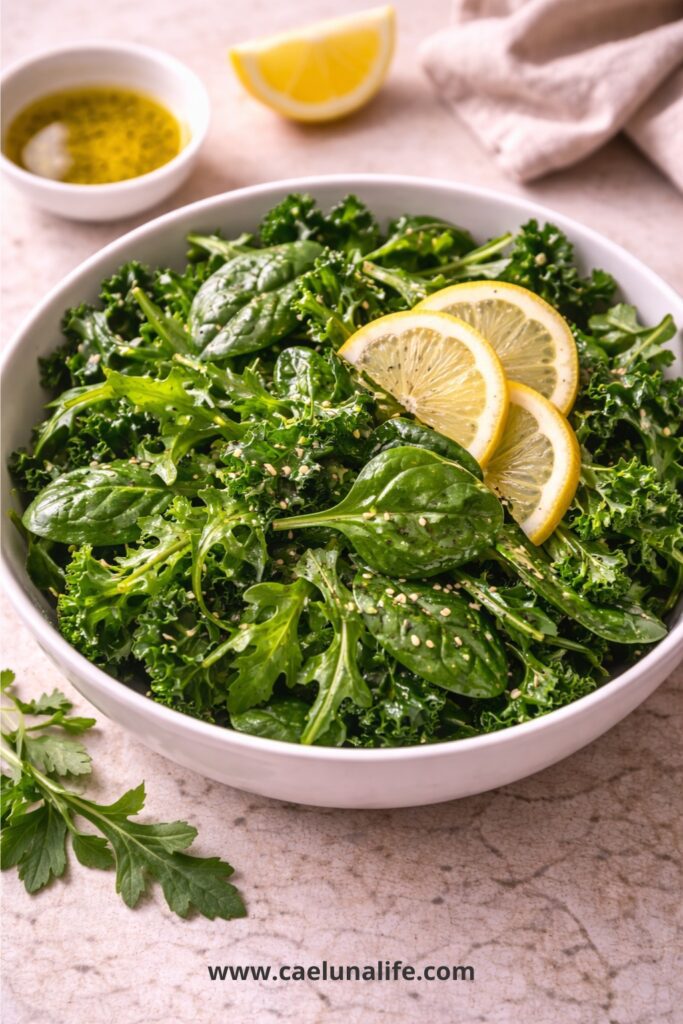
Spinach, kale, Swiss chard, rocket, watercress, and bok choy belong to the category of anti-inflammatory foods that deliver multiple mechanisms simultaneously. They are rich in vitamin K (which directly suppresses inflammatory signalling and is critical for bone density — particularly important after 40), folate (which reduces homocysteine, an inflammatory cardiovascular risk marker), magnesium (involved in over 300 enzymatic processes including inflammatory regulation), and a diverse range of polyphenols including quercetin, kaempferol, and lutein.
A landmark study published in the American Journal of Clinical Nutrition found that women in the highest quartile of leafy green consumption had CRP levels 30% lower than those in the lowest quartile — independent of other dietary factors. These anti-inflammatory foods also support oestrogen clearance through the liver and intestines, which is particularly relevant during perimenopause.
Aim for at least one large portion (80–100g) of leafy greens daily. The anti-inflammatory food compounds in leafy greens are fat-soluble — always pair with olive oil, avocado, or nuts to maximise polyphenol and vitamin K absorption. Raw spinach in a salad with olive oil dressing, or sautéed kale in olive oil, both work well.
4. Berries
Blueberries, strawberries, raspberries, cherries, blackcurrants, and goji berries are exceptional anti-inflammatory foods because of their exceptionally high anthocyanin content. Anthocyanins — the pigments responsible for the deep blue, red, and purple colours — are among the most potent anti-inflammatory polyphenols identified in food, with consistent research showing their effects on multiple inflammatory pathways.
Clinical trials specifically using blueberries show that 150–250g daily for 6–8 weeks significantly reduces CRP, oxidative stress markers, and platelet aggregation. Cherries — both sweet and tart — have specific evidence for reducing gout-related inflammation and post-exercise muscle inflammation. Strawberries are particularly high in ellagic acid, which inhibits NF-κB. These anti-inflammatory foods work better in combination than individually.
Frozen berries are nutritionally equivalent to fresh and often superior, because they are frozen immediately after harvest at peak ripeness. There is no cost or convenience reason to avoid frozen berries as daily anti-inflammatory foods. A standard portion is 80–100g — one cupped handful. Add to overnight oats, blend into smoothies, or eat as a snack with walnuts for a concentrated daily anti-inflammatory food hit.
5. Turmeric
Curcumin — the active compound in turmeric — is one of the most extensively studied natural anti-inflammatory substances in the scientific literature, with over 3,000 published studies. It inhibits NF-κB, reduces prostaglandin synthesis (the same pathway targeted by NSAIDs), suppresses multiple pro-inflammatory cytokines simultaneously, and activates Nrf2 — the body’s primary antioxidant defence pathway.
However, curcumin presents a significant practical challenge as an anti-inflammatory food: its bioavailability in isolation is very poor. In the presence of piperine (from black pepper), curcumin absorption increases by up to 2,000%. In the presence of fat, it is further enhanced. This means turmeric only functions effectively as an anti-inflammatory food when combined with black pepper and a fat source — making the combination non-negotiable.
Practical application: add half to one teaspoon of turmeric with a generous grind of black pepper to soups, dressings, scrambled eggs, roasted vegetables, and golden milk. Use turmeric freely and daily — it is inexpensive, versatile, and among the most pharmacologically active anti-inflammatory foods available in an ordinary kitchen.
🛒 Recommended: Organic Turmeric + Black Pepper Capsules (curcumin complex) — Standardised curcumin when cooking with turmeric is not daily possible — complements anti-inflammatory foods
6. Ginger
Ginger contains 6-gingerol and 6-shogaol — bioactive compounds that inhibit COX-2 and LOX enzymes, reduce prostaglandin synthesis, and directly suppress the production of pro-inflammatory cytokines. These make ginger one of the most clinically relevant anti-inflammatory foods for women experiencing joint discomfort — research specifically shows ginger reduces osteoarthritis pain comparably to ibuprofen at standard doses, without gastrointestinal side effects.
Fresh ginger is more potent than dried because the gingerol content is higher before dehydration converts some of it to shogaol. Grate fresh ginger directly into soups, stir-fries, dressings, and teas. Ginger and turmeric together are synergistic anti-inflammatory foods — combining them in a golden milk, soup, or curry delivers both curcumin and gingerol in one preparation.
Target: aim for 1–2 teaspoons of fresh grated ginger daily as one of your consistent anti-inflammatory foods. It is also an effective digestive anti-inflammatory food — ginger significantly reduces gut inflammation and nausea, making it useful for women whose digestive symptoms worsen around perimenopause.
7. Walnuts
Walnuts are unique among tree nuts as anti-inflammatory foods because they combine ALA omega-3 fatty acids (2.5g per 30g serving — the highest ALA content of any tree nut) with ellagitannins, which gut bacteria convert into urolithins. Urolithins are among the most studied compounds in longevity research, associated with improved mitochondrial function, reduced inflammatory signalling, and cellular cleanup (autophagy).
A large meta-analysis of walnut consumption studies found that a daily handful (30g) reduced CRP by an average of 3.5mg/L — a clinically meaningful reduction. Walnuts also reduce LDL oxidation (a key step in cardiovascular inflammation) and support the gut microbiome diversity that underlies the anti-inflammatory food system’s gut pathway.
The practical daily target: a small handful (approximately 7–8 whole walnuts, 30g) every day. Add to overnight oats, salads, and yoghurt bowls. Walnuts paired with berries provide both the omega-3 and polyphenol pathways of anti-inflammatory foods in a 2-minute snack that requires no preparation.
8. Legumes
Lentils, chickpeas, black beans, edamame, and kidney beans are the anti-inflammatory foods most consistently overlooked by women focused on animal proteins. They are extraordinarily fibre-dense (15–20g per 100g cooked) — the highest fibre content of any food group — which makes them the most powerful dietary driver of the gut microbiome diversity that produces anti-inflammatory SCFAs.
Legumes also provide resistant starch, which is fermented by gut bacteria into butyrate — a SCFA that directly reduces intestinal inflammation and supports the gut barrier (reducing ‘leaky gut,’ which allows inflammatory compounds to enter systemic circulation). This mechanism makes legumes anti-inflammatory foods with whole-body effects beyond their direct nutritional profile.
Include legumes as anti-inflammatory foods four to five times per week. Tinned varieties — drained and rinsed — are nutritionally equivalent to home-cooked and require no preparation. A chickpea and vegetable salad, a lentil soup, or black beans added to a grain bowl all deliver the fibre density that drives this anti-inflammatory food mechanism.
9. Cruciferous Vegetables
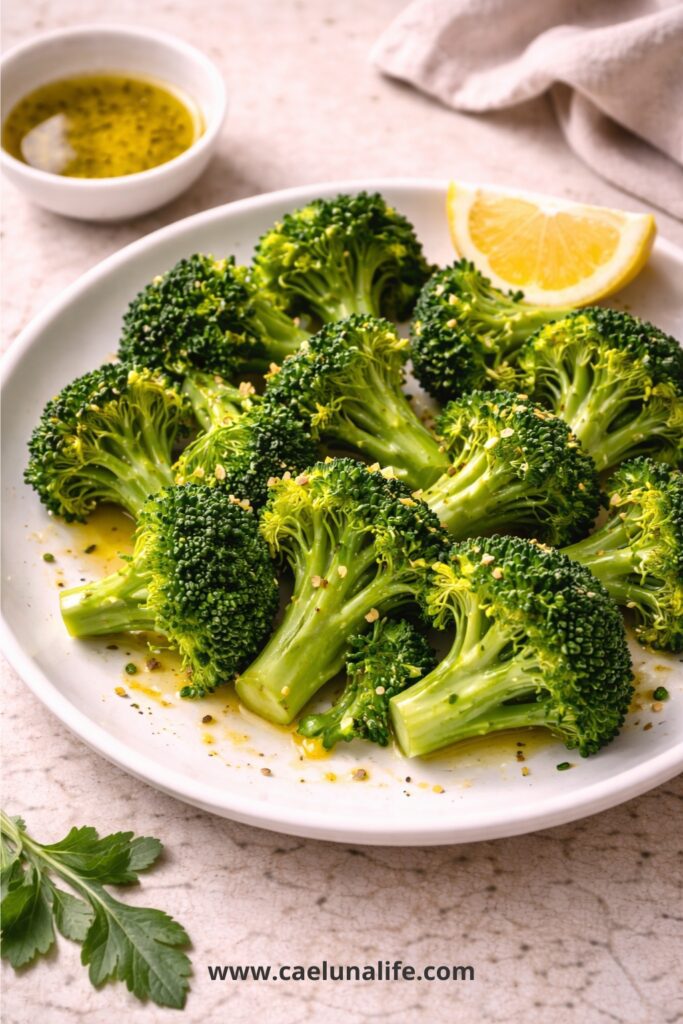
Broccoli, cauliflower, Brussels sprouts, cabbage, and kale (also a leafy green) contain sulforaphane — a compound activated when these vegetables are chewed or chopped, triggering the enzyme myrosinase to convert glucoraphanin into its active form. Sulforaphane activates Nrf2, the body’s master antioxidant and anti-inflammatory regulator, and has been studied for its role in reducing inflammation in cardiovascular, neurological, and cancer biology.
The preparation method significantly affects sulforaphane content in these anti-inflammatory foods. Light steaming (3–5 minutes) preserves the most sulforaphane. Boiling reduces it significantly. Eating raw cruciferous vegetables (finely chopped, as in a slaw) or briefly steaming preserves the myrosinase enzyme activity essential for sulforaphane formation.
Adding a small amount of raw mustard seed or mustard sauce to lightly cooked broccoli restores the myrosinase activity lost in cooking — a practical trick for getting maximum anti-inflammatory food benefit from cooked cruciferous vegetables.
10. Green Tea
Green tea contains EGCG (epigallocatechin gallate) — one of the most extensively studied polyphenols in anti-inflammatory foods research. EGCG inhibits NF-κB, reduces oxidative stress, modulates T-cell responses, and has demonstrated anti-inflammatory effects in cardiovascular, metabolic, and neurological contexts in human clinical trials.
The clinical evidence shows 2–3 cups of green tea daily produces measurable reductions in CRP and oxidative stress markers within 4–8 weeks. Matcha — powdered whole green tea leaf — provides approximately 10 times the EGCG concentration of brewed tea, making it a particularly concentrated anti-inflammatory food in beverage form.
Green tea is best prepared at 70–80°C rather than boiling water — high temperatures degrade EGCG. Steep for 2–3 minutes. Matcha can be whisked with hot (not boiling) water or added to smoothies, overnight oats, or yoghurt to incorporate anti-inflammatory food compounds without any bitterness.
🛒 Recommended: Organic Japanese Matcha Green Tea ceremonial grade 30g — 10x EGCG concentration of brewed tea — the most potent green tea anti-inflammatory food source
11. Dark Chocolate (70%+)
High-cocoa dark chocolate qualifies as one of the legitimate anti-inflammatory foods — not as a permission structure for eating sweets, but because the flavanol content of 70%+ dark chocolate has measurable anti-inflammatory effects. Cocoa flavanols reduce oxidative stress, improve endothelial function (which reduces vascular inflammation), lower CRP, and positively modulate the gut microbiome through their prebiotic effects.
A 20–30g portion of dark chocolate with 70–85% cocoa content provides approximately 200–600mg of flavanols — within the range shown to reduce CRP in short-term trials. The key variable is cocoa percentage: milk chocolate contains insufficient flavanols to function as an anti-inflammatory food, while higher percentage dark chocolate (85%+) provides more flavanols at the same serving size.
Pair dark chocolate with walnuts or berries for a snack that combines three different anti-inflammatory food mechanisms in one preparation — cocoa flavanols, ALA omega-3s, and anthocyanins.
12. Tomatoes
Cooked tomatoes are among the richest dietary sources of lycopene — a carotenoid that accumulates in adipose tissue and the prostate (and other tissues) and functions as a potent antioxidant and anti-inflammatory food compound. Research specifically links lycopene to reduced CRP and lower risk of cardiovascular events in women.
Critically, cooking tomatoes dramatically increases lycopene bioavailability — the heat breaks down cell walls, releasing lycopene for absorption. Cooking tomatoes with olive oil further enhances this, as lycopene is fat-soluble. Tinned tomatoes actually contain more bioavailable lycopene than most fresh tomatoes because they are processed when ripe and the canning process mimics cooking. This makes tinned tomatoes one of the most accessible and affordable anti-inflammatory foods.
How to Build Anti-Inflammatory Foods Into Every Meal — A Practical Daily Framework
Anti-Inflammatory Breakfast
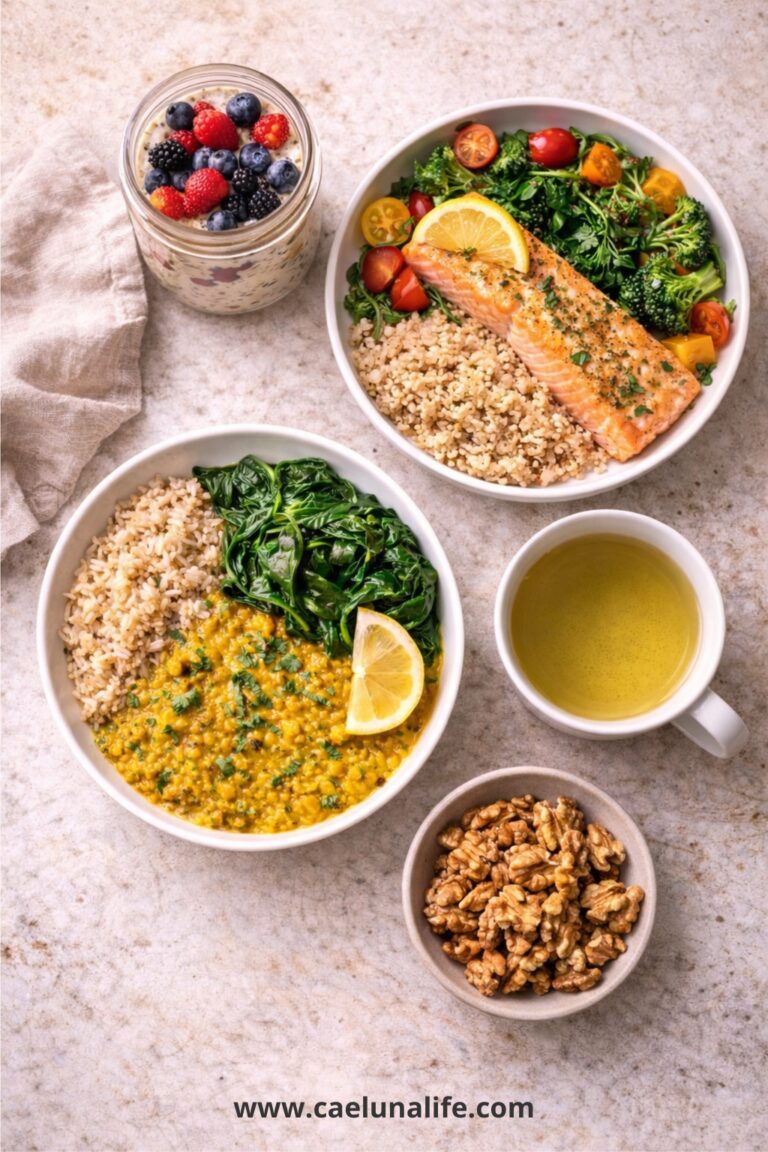
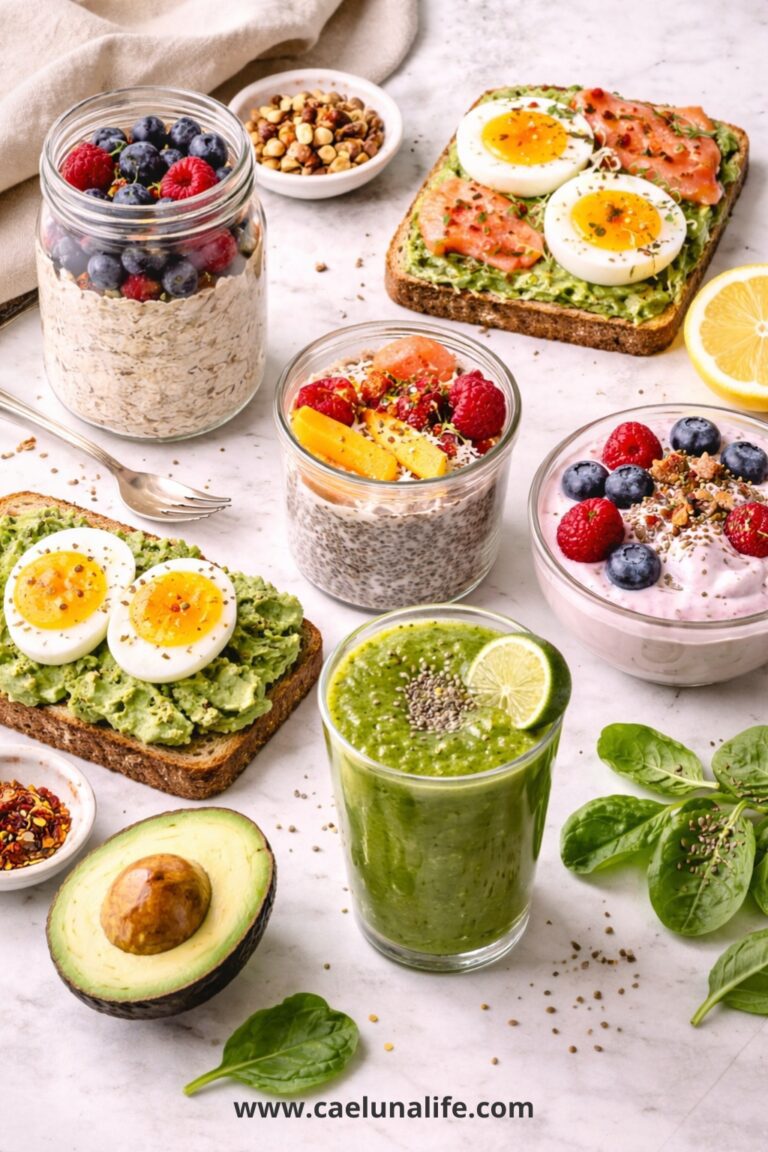
A strong anti-inflammatory food breakfast combines omega-3s (ground flaxseed or walnuts), polyphenols (berries), and protein (Greek yoghurt or eggs). Overnight oats with Greek yoghurt, frozen blueberries, ground flaxseed, and walnuts delivers all three anti-inflammatory food pathways — omega-3s, polyphenols, and prebiotic fibre — before 9am.
Alternative anti-inflammatory food breakfasts: scrambled eggs with spinach, turmeric, and black pepper (anti-inflammatory foods: curcumin, leafy greens); a green smoothie with frozen spinach, blueberries, flaxseed, and Greek yoghurt (anti-inflammatory foods: polyphenols, fibre, omega-3s).
Anti-Inflammatory Lunch
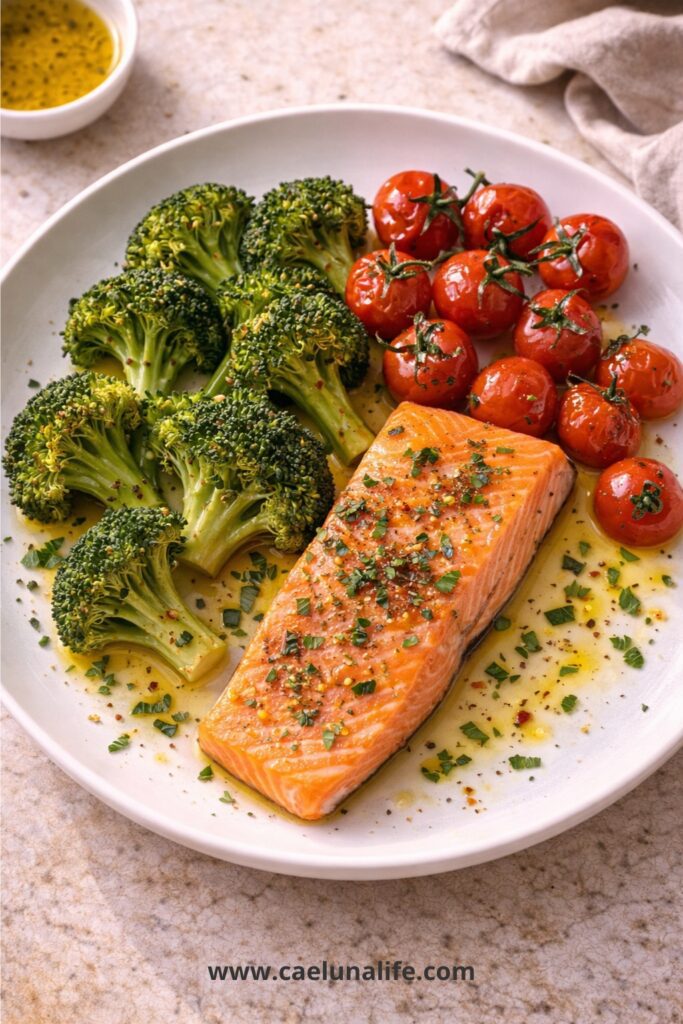
Lunch is the optimal meal for oily fish in anti-inflammatory food planning. A grain bowl with tinned sardines or roasted salmon, leafy greens, chickpeas, cherry tomatoes, and olive oil dressing covers all three anti-inflammatory food mechanisms: EPA/DHA from fish, polyphenols from greens and tomatoes, and fibre from chickpeas.
Anti-Inflammatory Dinner
Anti-inflammatory food dinners work best when built around vegetables. A lentil dal with turmeric and ginger, served with brown rice and wilted spinach, provides anti-inflammatory foods across all three pathways simultaneously. Mediterranean fish dishes, roasted cruciferous vegetables in olive oil, and bean-based stews are all effective anti-inflammatory food dinner templates.
Anti-Inflammatory Snacks
Walnuts with berries (omega-3s + anthocyanins), a small portion of dark chocolate, green tea, or Greek yoghurt with berries — these anti-inflammatory food snacks take under two minutes and deliver consistent polyphenol and omega-3 exposure throughout the day without any preparation time.
Anti-Inflammatory Foods and the Gut Microbiome: Why This Matters After 40
The connection between anti-inflammatory foods and the gut microbiome is increasingly central to understanding why these dietary choices matter so profoundly in midlife. The gut microbiome — the ecosystem of trillions of bacteria, fungi, and viruses in the digestive tract — is the primary regulator of systemic immune function. Disruption to the microbiome (dysbiosis) is a direct driver of the chronic inflammation that anti-inflammatory foods target.
Research published in the journal Gut (2021) found that post-menopausal women have significantly lower gut microbiome diversity than pre-menopausal women of the same age and dietary pattern — suggesting that the oestrogen decline itself affects microbiome composition. The practical implication is that after 40, the fibre and prebiotic components of anti-inflammatory foods become more important, not less, because the microbiome needs more active dietary support to maintain diversity.
Fermented anti-inflammatory foods — Greek yoghurt, kefir, miso, tempeh, and kimchi — add live beneficial bacteria directly to the gut ecosystem. The 2022 Stanford study by Wastyk et al. demonstrated that a diet high in fermented foods increased microbiome diversity and reduced 19 inflammatory markers more effectively than a high-fibre diet alone. Combining fermented foods with fibre-rich anti-inflammatory foods provides the most comprehensive gut-level anti-inflammatory effect.
Anti-Inflammatory Foods and Perimenopausal Symptoms
Beyond their effects on blood inflammatory markers, anti-inflammatory foods have specific relevance to the most common perimenopausal complaints. Women who consistently eat anti-inflammatory foods report lower severity of joint pain (omega-3s reduce COX-2-mediated prostaglandin synthesis), better sleep quality (magnesium from leafy greens supports GABA function; anti-inflammatory foods reduce the nighttime cortisol spikes that disrupt sleep), and more stable mood (omega-3 DHA is a structural component of neuronal membranes and supports serotonin signalling).
Phytoestrogen-containing anti-inflammatory foods — flaxseed, soy products (edamame, tofu, miso), chickpeas, and lentils — provide weak oestrogenic activity through their isoflavone and lignan content. While not equivalent to endogenous oestrogen, these anti-inflammatory foods provide a degree of hormonal support during the transition that complements their direct anti-inflammatory effects.
How Many Anti-Inflammatory Foods Should You Eat Per Day?
Rather than counting individual anti-inflammatory foods, aim for a pattern that consistently hits all three anti-inflammatory mechanisms:
- Omega-3 pathway: oily fish 2–3 times per week; walnuts and ground flaxseed daily
- Polyphenol pathway: berries daily, leafy greens daily, olive oil at every meal, green tea daily
- Fibre/prebiotic pathway: legumes 4–5 times per week, vegetables at every meal, whole grains over refined
A simple practical check: at each meal, ask whether you have included at least one anti-inflammatory food from each of these three pathways. A breakfast, lunch, and dinner that each tick all three boxes provides comprehensive daily anti-inflammatory food coverage without requiring tracking or calculation.
Key Tips for Getting Maximum Benefit from Anti-Inflammatory Foods
- Always pair turmeric with black pepper and a fat source — without this combination, curcumin from this anti-inflammatory food is negligible
- Eat leafy greens with olive oil or avocado — fat is required for polyphenol absorption from these anti-inflammatory foods
- Cook tomatoes in olive oil — this combination maximises lycopene bioavailability, the key anti-inflammatory food compound in tomatoes
- Choose frozen berries without hesitation — these anti-inflammatory foods are nutritionally equivalent to fresh at a fraction of the cost
- Lightly steam cruciferous vegetables — this preparation preserves the most sulforaphane from these anti-inflammatory foods
- Prioritise variety across all anti-inflammatory foods — different colours mean different polyphenol families; rotate your choices weekly
- Consume anti-inflammatory foods consistently, not periodically — the benefits compound over months, not days
Frequently Asked Questions About Anti-Inflammatory Foods
How quickly do anti-inflammatory foods show measurable results?
Anti-inflammatory foods produce different outcomes on different timelines. Subjective improvements — reduced joint stiffness, better energy, improved digestion — are often reported within 2–4 weeks of consistent anti-inflammatory food consumption. Blood markers (CRP, IL-6) typically improve meaningfully after 8–12 weeks. Long-term benefits — cardiovascular risk reduction, cognitive protection, metabolic improvement — accumulate over years of sustained anti-inflammatory food eating. The research is clear that consistency over time matters far more than intensity in any short window.
Do pro-inflammatory foods cancel out the effects of anti-inflammatory foods?
Yes, and this is important to understand. Ultra-processed foods, added sugar, refined vegetable oils in excess, and processed meats promote inflammation through the same pathways that anti-inflammatory foods suppress. The net effect depends on the overall dietary pattern — consistent anti-inflammatory foods alongside a high ultra-processed food intake produces limited benefit. The anti-inflammatory food strategy works best when it replaces, not just supplements, pro-inflammatory dietary choices.
Are anti-inflammatory food supplements as effective as whole foods?
For omega-3s, a high-quality fish oil supplement can meaningfully supplement anti-inflammatory foods when dietary fish intake is below 2 servings per week. For most other anti-inflammatory food compounds — polyphenols, fibre, diverse phytochemicals — whole foods are substantially more effective than isolated supplements because they provide the full matrix of cofactors, synergistic compounds, and food structures that determine absorption and biological activity. Supplements are best positioned as insurance, not replacement, for anti-inflammatory foods.
Can anti-inflammatory foods help with perimenopause specifically?
Evidence increasingly supports yes. The anti-inflammatory foods most relevant to perimenopausal symptoms: omega-3-rich oily fish and flaxseed (reduce joint pain, support mood), magnesium-rich leafy greens and pumpkin seeds (support sleep and reduce anxiety), phytoestrogen-containing legumes and flaxseed (mild hormonal support), and turmeric (reduces general systemic inflammation that amplifies perimenopausal symptoms). These anti-inflammatory foods do not replace hormonal support but provide meaningful adjunctive dietary management.
How do I know if I need to eat more anti-inflammatory foods?
If your GP offers a CRP (C-reactive protein) blood test — a standard inflammatory marker — a result above 3mg/L suggests elevated chronic inflammation that anti-inflammatory foods can address. Other signals: persistent fatigue that sleep does not resolve, recurring joint discomfort without injury, slow recovery from illness or exercise, and digestive irregularity. All of these are consistent with the chronic inflammation pattern that anti-inflammatory foods target, though none is diagnostic without medical evaluation.
Related Articles
These guides connect directly with what you have just read:
- What Is the Anti-Inflammatory Diet and Does It Actually Work? — The full science behind the dietary pattern built around these anti-inflammatory foods.
- The Complete Anti-Inflammatory Eating Guide for Women Over 40 — A structured daily and weekly framework for eating anti-inflammatory foods consistently.
- 30 Anti-Inflammatory Breakfast Ideas That Actually Keep You Full — Practical ways to start every day with the best anti-inflammatory foods — all high-protein and satisfying.
- 7 Anti-Inflammatory Meal Prep Recipes to Make Every Sunday — Batch-cook anti-inflammatory foods for the whole week in one Sunday session.
- How to Eat Healthy After 40 — What Actually Changes and Why — The broader midlife nutrition context that makes anti-inflammatory foods so important.