The Complete Meal Prep Guide for Beginners — Everything You Need to Know
Affiliate Disclosure: This article contains affiliate links. If you buy through our links, we may earn a small commission at no extra cost to you. We only recommend products we’d stand behind.
⚡ Quick Answer
A meal prep guide for beginners needs to cover one thing above all else: starting simple. The best beginner meal prep guide focuses on a single prep day, one protein, one grain, two vegetables, and one sauce — cooked simultaneously in under 2 hours. This complete meal prep guide takes you from your first shop to a stocked fridge, step by step.
What Is Meal Prep and Why Does This Meal Prep Guide Work?
A meal prep guide is only useful if it reflects how people actually cook — not how professional chefs or food bloggers with unlimited time cook. This meal prep guide is built around real constraints: limited time, ordinary kitchens, varying cooking skill levels, and the reality that motivation is highest at the start of the week, not at the end of a long day.
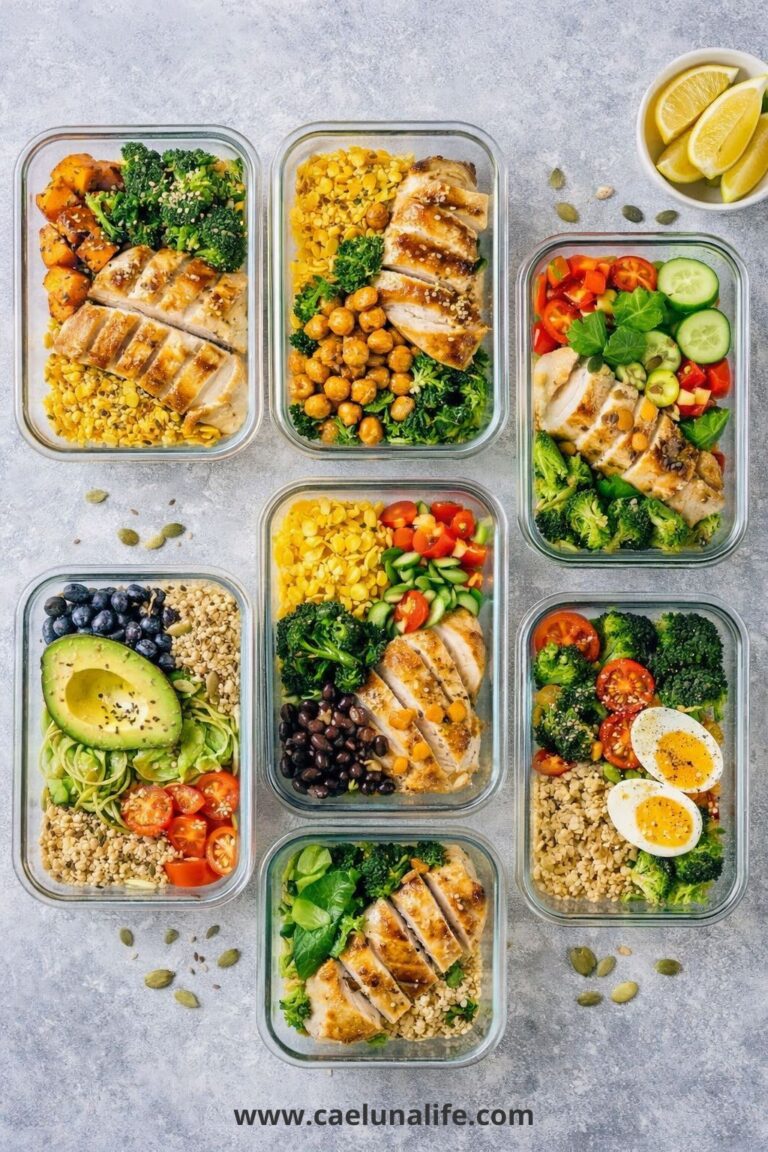
Meal prep means preparing some or all of your food in advance — typically on one day per week — so that healthy, ready-to-eat food is available throughout the week without daily cooking. This meal prep guide focuses on the component method: batch-cooking individual elements that can be combined differently each day, producing variety without extra work.
The research behind meal prep is consistent: people who prepare food at home more frequently have higher diet quality, lower food costs, and better long-term health outcomes. This meal prep guide gives you the system to make that happen consistently, not just once.
Meal Prep Guide Step 1: Understand the Three Styles of Meal Prep
Before building your personal meal prep guide system, it helps to know the three main approaches and which suits your lifestyle:
1. Component Meal Prep (Recommended in This Meal Prep Guide)
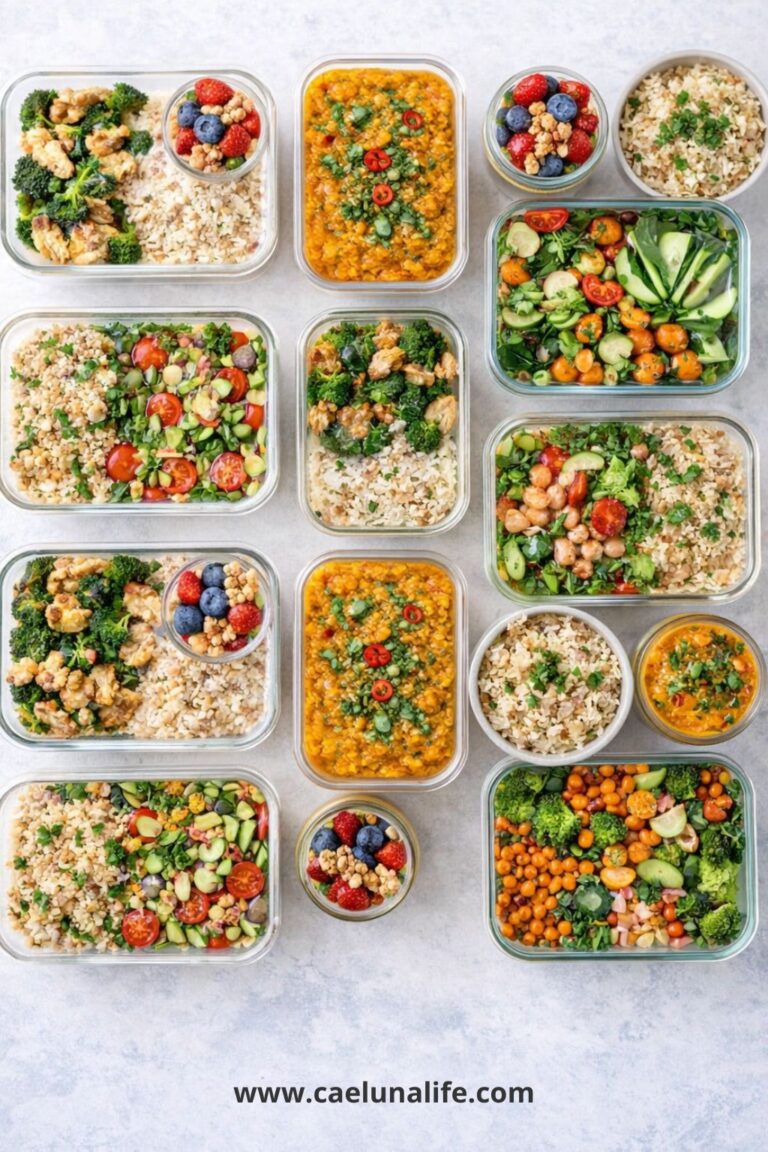
Cook individual elements separately — protein, grain, vegetables — and combine them differently each day. Monday becomes a bowl, Tuesday a wrap, Wednesday a salad. This meal prep guide approach produces the most variety for the least extra effort and is the recommended system for beginners and experienced preppers alike.
2. Full Meal Prep
Prepare complete, portioned meals ready to eat — identical containers for each day. Efficient, but can feel monotonous by Thursday. This meal prep guide recommends using this approach for breakfast only (overnight oats, for example) while keeping lunch and dinner component-based.
3. Partial Meal Prep
Wash and chop vegetables, marinate proteins, or cook just one or two components. The lowest-effort version of this meal prep guide — still significantly better than no prep at all. A good starting point if you are new to the habit.
Meal Prep Guide Step 2: Pick Your Prep Day and Protect It
The single most important principle in any meal prep guide is consistency. Choose one day per week — Sunday is most common — and treat it as a non-negotiable appointment with yourself for at least the first two months.
Block 90–120 minutes in your calendar. You will not always use all of this time, but having it reserved prevents life from displacing your meal prep guide routine before it becomes a habit.
The science of habit formation is clear: a consistent time and context cue (Sunday morning, Sunday after the food shop, Sunday while listening to a podcast) builds the habit faster than flexible scheduling. Your meal prep guide routine needs an anchor.
Meal Prep Guide Step 3: Build Your First Simple Meal Plan
For your first meal prep session, choose only three to four components. Complexity is the single biggest enemy of the beginner meal prep habit. Start with:
- One protein: chicken thighs, salmon fillets, lentils, or a combination of eggs and Greek yoghurt
- One grain: brown rice or quinoa — cook a large batch
- Two vegetables: choose what is in season or on sale — sweet potato and broccoli are the most forgiving
- One sauce: tahini dressing, pesto, or a simple lemon-garlic vinaigrette — this is the meal prep guide secret to variety
From these four components, you can build bowls, wraps, salads, and stir-fries all week without eating the same meal twice. This component logic is the heart of every effective meal prep.
Meal Prep Guide Step 4: Write a Focused Shopping List
A meal prep is only as effective as the shopping that precedes it. Translate your plan into a precise, section-organised list. This meal prep guide approach to shopping prevents the waste that derails many first-time preppers:
- Proteins section: the specific cuts and quantities you need
- Produce section: vegetables and fruit for the week
- Grains and legumes: dry or pre-cooked pouches as this meal prep guide recommends for speed
- Pantry staples: olive oil, lemon, garlic, the spices your meal prep guide recipes need
A meal prep estimate for one person for five days: 600–800g protein, 400g dry grain, 4–5 cups of vegetables, pantry basics. Buy only what is on your list.
🛒 Recommended: Weekly Meal Planner Pad — Paper planner specifically designed for this meal prep guide system — plan Sunday in 15 minutes
Meal Prep Guide Step 5: Set Up Your Kitchen Before You Start
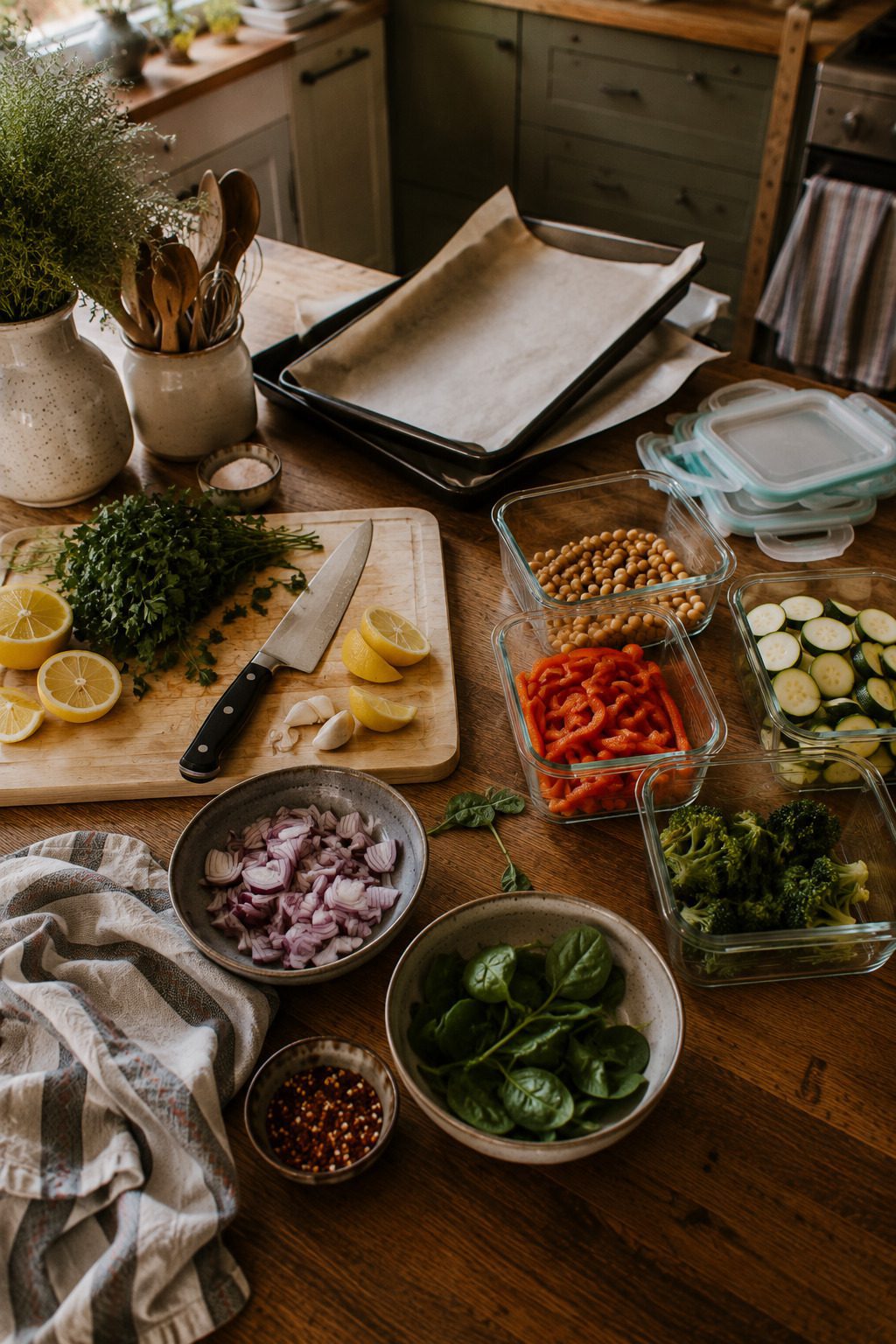
This kitchen setup takes 5 minutes and makes the session run significantly faster. Before touching any food:
- Preheat oven to 200°C
- Put a large pot of water on to boil
- Line two baking trays with parchment paper
- Set out all containers with lids open and ready
- Gather knife, chopping board, and mixing bowls
Meal Prep Guide Step 6: Cook Using the Parallel Method
The difference between a 90-minute meal prep session and a 3-hour one is parallel cooking. The meal prep parallel method means your oven, stovetop, and hands all work simultaneously:
Oven (40–45 minutes, hands-free)
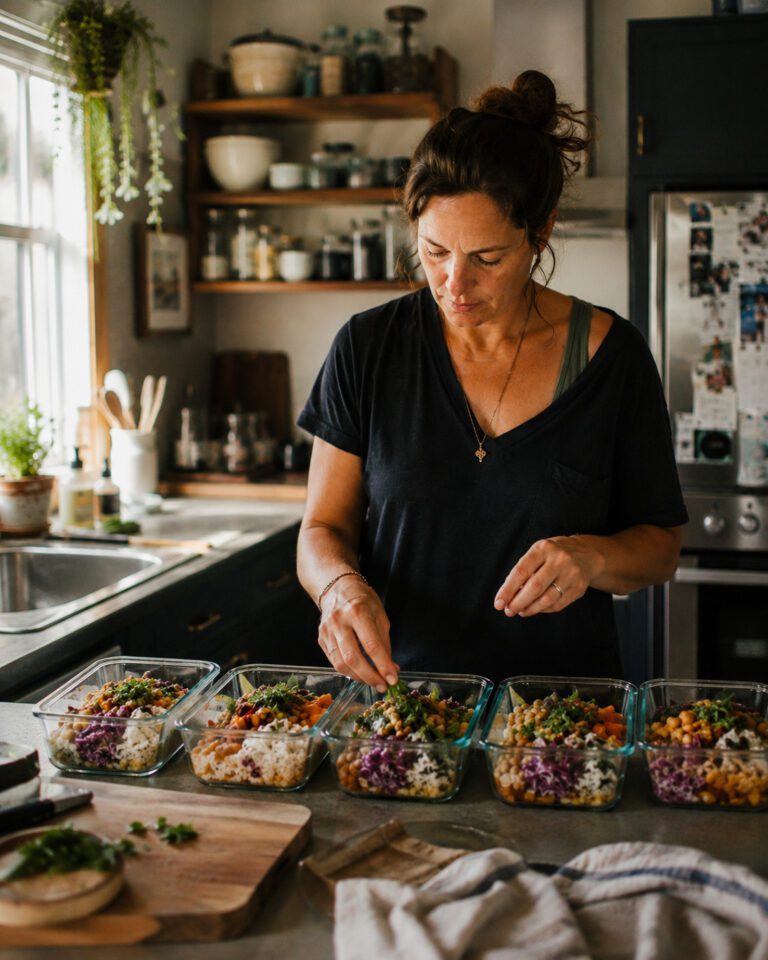
Season protein and vegetables, spread across two trays, slide into the oven. Set a timer. This meal prep step requires zero attention once the trays are loaded — use this time for stovetop and hands tasks.
Stovetop (15–25 minutes, minimal attention)
Cook your grain. Quinoa cooks in 15 minutes; brown rice in 25. Start the stovetop while the oven loads. This meal prep guide overlap saves 15–20 minutes compared to sequential cooking.
Hands Tasks (15–20 minutes, during oven time)
While your oven and stovetop work, this meal prep guide recommends using the hands-free window for:
- Preparing overnight oat jars for the week’s breakfasts
- Making your weekly sauce or dressing
- Hard-boiling eggs for snacks and salads
- Washing and drying salad leaves
- Portioning dry snacks into small containers
Meal Prep Guide Step 7: Cool, Portion, and Store Correctly
The meal prep guide food safety rule most beginners skip: always cool food for 10–15 minutes before sealing containers. Hot food in sealed containers creates condensation, making everything soggy and accelerating spoilage.
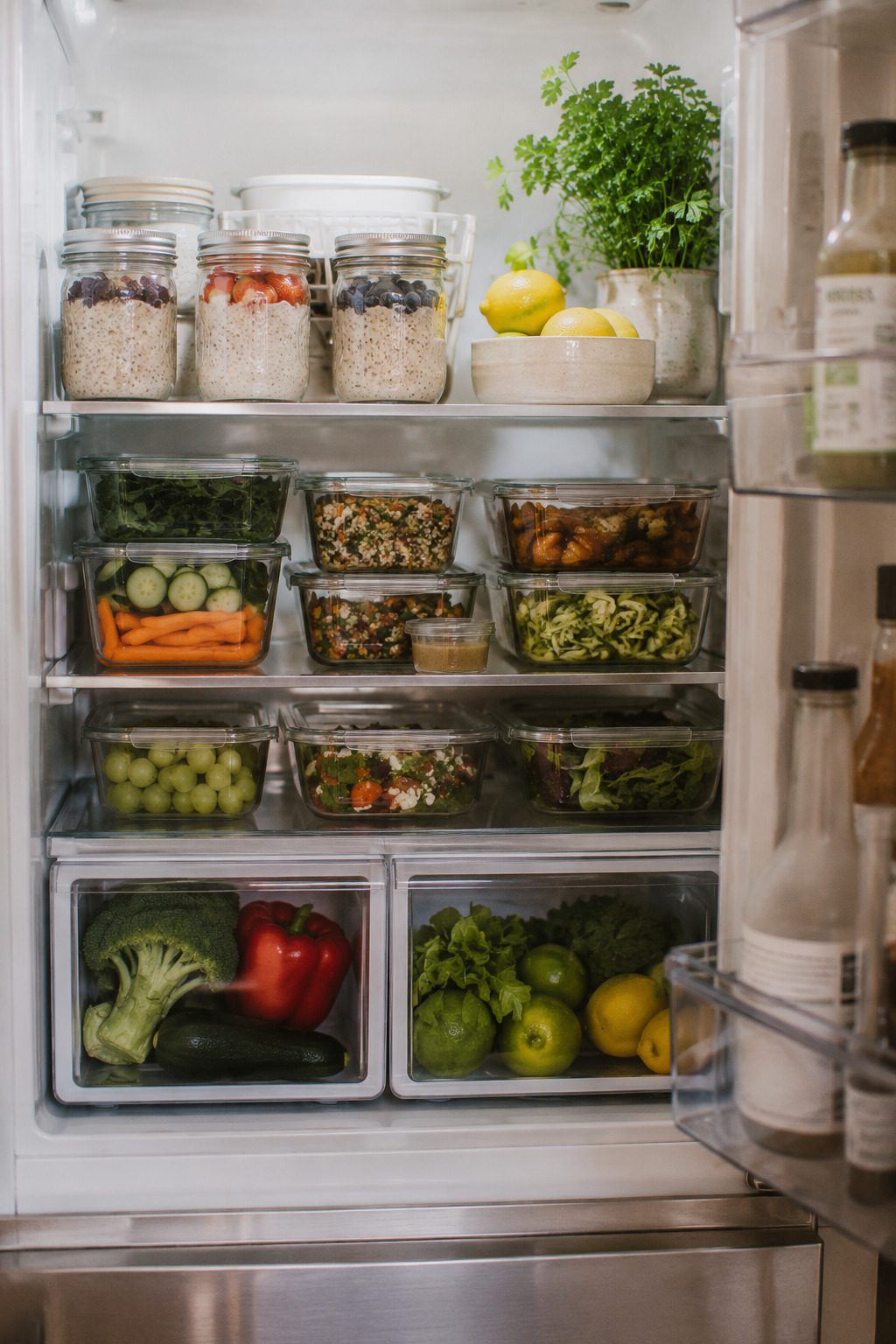
This meal prep guide storage system for one week:
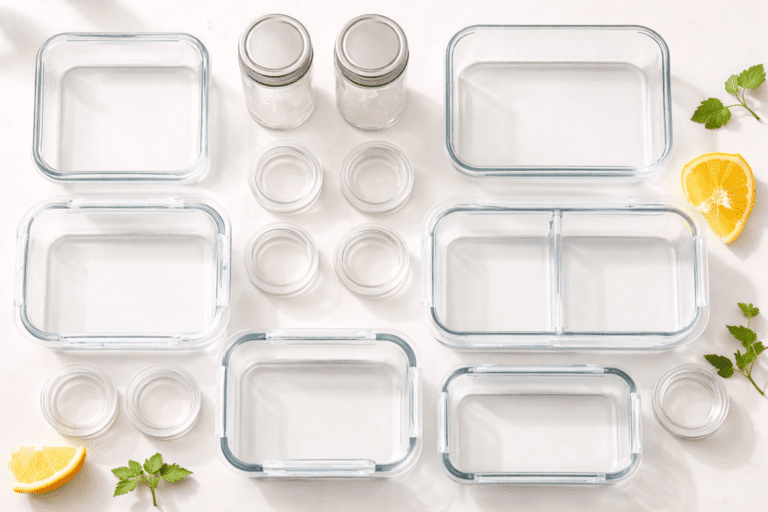
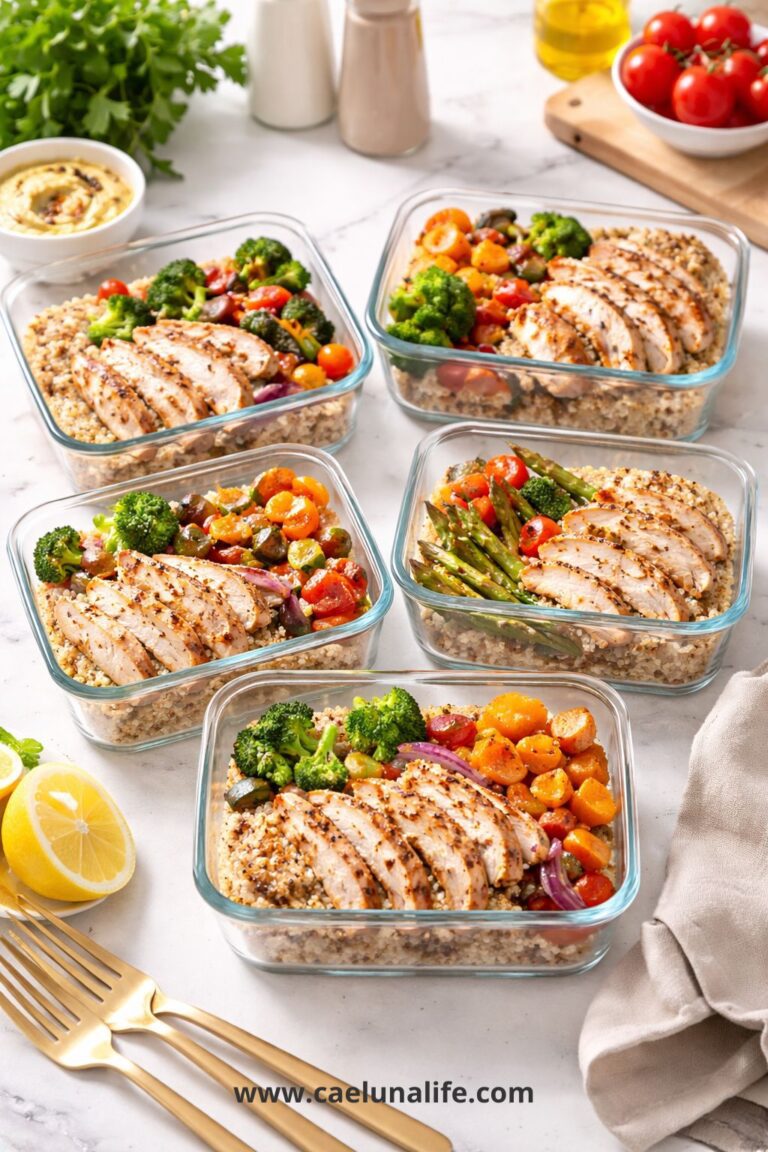
- Main meal containers (900–1100ml): protein + grain + vegetables combined for lunches
- Component containers (600ml): separate protein and grain for dinner flexibility
- Small containers (200–300ml): sauces, dressings, and dips
- Glass jars (400–500ml): overnight oats, smoothie prep, chia pudding
This meal prep guide storage duration: cooked proteins 4–5 days refrigerated; roasted vegetables 4 days; grains 5 days; sauces up to 7 days.
🛒 Recommended: Glass Meal Prep Container Set with Locking Lids — This meal prep guide recommends for home fridge storage — durable, safe, stackable
Key Meal Prep Tips for Beginners
- Your first meal prep session will take longer than the second — the system gets faster with practice
- A partial meal prep session is always better than no prep — even just prepping protein or breakfast counts
- Keep a notes file on your phone: what worked in this week’s meal prep session, what to adjust
- Photograph your finished meal prep containers — visual proof of the habit reinforces it
- Do not aim for perfection in your first meal prep session — functional and sufficient beats beautiful and unsustainable
Frequently Asked Questions
How long does a beginner meal prep session take?
Using this meal prep guide parallel method, your first session will take 90–120 minutes. By session four or five, most people following this guide complete their full weekly prep in 60–90 minutes as the routine becomes familiar.
What is the best guide approach for someone who hates cooking?
Follow the lazy girl version of this guide: choose foods that cook themselves (sheet pan chicken, dump soups, no-cook overnight oats) and minimise hands-on time. Even this simplified meal prep approach produces 4–5 days of healthy, ready food.
Does this guide work for families?
Yes. The component method in this meal prep is ideal for families — cook universal proteins and grains that adults and children can customise at the table. The shopping list simply scales up by multiplying quantities.
How do I know if my food is still safe to eat?
The food safety rules are simple: refrigerate promptly, keep cooked food for a maximum of 5 days, and trust your senses — if it smells off, discard it. This guide recommends freezing anything you will not eat within 4 days.
Can I follow this guide on a tight budget?
The component method in this guide is one of the most cost-effective ways to eat well. Legumes, oats, frozen vegetables, and eggs are among the cheapest foods available and all feature prominently in this guide’s recommended ingredients.
Related Articles You Might Find Helpful
- How to Weekly Meal Prep in Under 2 Hours — The full parallel cooking method that makes this guide work in under 2 hours.
- Best Meal Prep Containers for Women in 2025 — Which containers this meal prep guide actually recommends — tested and reviewed.
- Easy Meal Prep Ideas — 5 Meals, 1 Hour — The minimum-effort version of this meal prep guide for low-energy weeks.
- High Protein Meal Prep for Women — How to build a high-protein version of this meal prep guide system.
- Best Meal Prep Books for Women Over 40 — The best books to extend your meal prep knowledge with tested recipes.